Yerevan. Summer 2011. Some Observations

Yerevan. Summer 2011. Some Observations

Here are some old love-to-hate goodies and some new material on life and times in Yerevan, Armenia.

– Buffets! Pronounced “boof-fet” and not “buffay”, these are cafeteria-like eating joints. Maybe I had never come across them before for my own part, but they seem to be the latest thing. I have been to two, and there are doubtless more. They are generally inexpensive and the food is ready to be eaten on the spot. Convenient.

– Persian! There is a lot more Farsi to be seen and heard on the streets of Yerevan than ever before. I saw a random flyer stuck to a street light entirely in Persian, and those kiosks everywhere where one may pay utility bills or add money to one’s cellphone number are available in Farsi as well. Kheyli jaleb.

– The old roller-blading dude! Does anyone know his story? I don’t think I knew he existed until last summer. And here he is, randomly roller blading around, all over the place. I overheard him talking to a Far Eastern-looking person in English, and his language didn’t seem too broken – at least he had it in him to use certain choice words. Is he from around here? Bewildering.

– Chaghatsel es. Ha, eli, chaghatsel em. What is up with people in this country always mentioning the fact that one has gained weight? It isn’t really pleasant. I think it’s a misplaced sense of oushadroutiun dartsnel. I get it, you are concerned or at least interested in my well-being. But, please, don’t remind me that I look fat! Straitening. Ironically. :-)

– Square-cut asphalt. Who repairs roads as per quadrilaterals in the world? Who, I ask you? This has been a long-standing problem, as the folks who repair the roads demonstrate. Not what it’s cut out to be.

– The skvaznyak. I have never been able to understand the irrational fear that accompanies the people of Armenia when it comes to drafts. It is a fatal error, in the opinion of many, to find one’s self on the path of moving air. Somebody explained to me once that if one were wet or sweaty, then a draft might indeed cause a cold or something. But the skvaznyak! Would the skvaznyak be satisfied with a mere cold, I ask you? Check out https://www.facebook.com/skvazniak. And beware the skvaznyak.

– Cleansing aspersions. What is up with spreading water around for no reason? I know I have asked about this before, but it is still not khelki mod for me to accept that sprinkling water will either clean a place, or cool it down significantly, or make dust settle. This practice makes no sense to me. Whatever happened to mops and brooms?
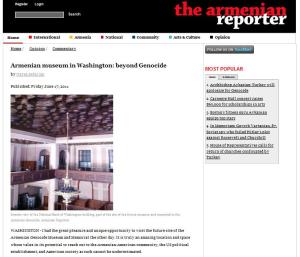
Armenian Museum in Washington: Beyond Genocide

Armenian Museum in Washington: Beyond Genocide
WASHINGTON – I had the great pleasure and unique opportunity to visit the future site of the Armenian Genocide Museum and Memorial the other day. It is truly an amazing location and space whose value in its potential to reach out to the Armenian-American community, the US political establishment, and American society as such cannot be underestimated.

Of course the ongoing disputes and legal matters dogging the project have been disappointing and, frankly, embarrassing and shameful. More than that, however, even as this idea was made public a few years ago, I got the impression that the efforts may be better served to highlight Armenian history and culture generally, as opposed to a giant commemoration of the Armenian Genocide alone. Continue reading

Message Conveyance

Message Conveyance

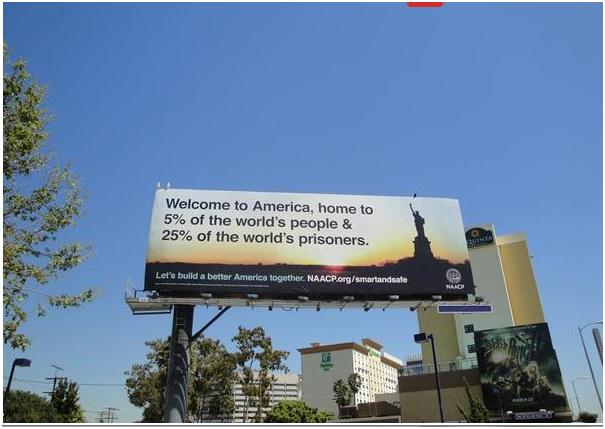
I really knew that I had returned to Washington when I saw a political ad in the airport moments after stepping off the plane. It is a characteristic element of life here, especially for someone who takes the metro as often as I do.

I usually don’t give them a second thought, as the causes and agendas are pretty clear, sometimes altogether blatant enough to be off-putting. This one below, however, was particularly thought-provoking. Not because there is something poignant or moving about it, but because it made me think over and over again on what it could possibly mean.

In reading just the tag line, my first reaction was, “So what? Is America being touted as a police state?”.

My second thought was, “Well, the figures may or may not be exactly accurate, but perhaps there is something to be said about rule of law, about the real enforcement of consequences to crimes”.

And then I continued to read: “Let’s build a better America together”, and I figured, “Oh, I see. The ad is calling upon people to avoid a life of crime, to get educations, work hard, live the American Dream, etc., etc.”.

And then I finally read the signature – the NAACP.

And I didn’t know what to think.

The National Association for the Advancement of Colored People. The name itself suggests that it is an advocacy organisation for the blacks for the most part. I am not familiar with their work; perhaps the moniker “coloured people” applies to a broader range. But I thought that this reputable organisation might be highlighting or somehow capitalising on the fact of a stereotypically prominent black presence in the country’s jails. So, again, I didn’t really know what to think.

Finally, just now, I visited the advertised URL – http://www.naacp.org/smartandsafe. It reads:

“Misplaced Priorities: A New Report From NAACP

On April 7th, the NAACP released a new report, Misplaced Priorities, that examines America’s escalating levels of prison spending and its impact on state budgets and our nation’s children.

Misplaced Priorities tracks the steady shift of state funds away from education and toward the criminal justice system. Researchers have found that over-incarceration most often impacts vulnerable and minority populations, and that it destabilizes communities.

The report is part of the “Smart and Safe Campaign,” and the NAACP is urging everyone to sign its petition to urge governors to adopt a set of recommendations that will help policymakers in all 50 states downsize prison populations and shift the savings to education budgets.

Below are profiles of the six cities studied in the report, as well as three profiled individuals.

Click here to download a PDF of the full report.

Click Here to Sign the Petition Now!”

And I finally get it.

I wish the message had come across on a first read, though.


(photo of ad courtesy http://www.soignorant.com/tag/5-of-worlds-population)

Մեր լեզվի ժառանգությունը

Մեր լեզվի ժառանգությունը

Լեզուները, ըստ էության, պայմանական համակարգեր են՝ ենթակա սովորելու, սովոր դառնալու: Մեր լեզուն՝ հայերենը, բացառություն չէ այս առումով: Սակայն մեր լեզուն ունի մեկ այլ հատկանիշ. չափազանց հարուստ է իր ժառանգությամբ:

Հայաստանի հասարակության կյանքում ներկա է եւ մատակարարվում է մեր հարուստ լեզվի միայն մի մասը: Արդյոք չարժի՞ ու արդյոք հնարավոր չէ՞, որ Հայաստանի հասարակությունը իմանա գրաբարի, արեւմտահայերենի եւ հայերենի ավանդական ուղղագրության մասին:

կարդալ մնացածը

Towards More Meaningful Commemorations

Towards More Meaningful Commemorations

I have been in the United States for a few years now and have been actively following the goings-on in the Armenian community in this country, apart from events of the wider Armenian world, in the Republic and in the Diaspora. It is no secret that the cause for the Armenian Genocide serves as the major rallying point for our people, if not acting as the sole rallying point for our nation.

There is much that we justly demand from Turkey, and there is much for which we legitimately struggle for Artsakh, opposing Azerbaijan. I am probably not speaking solely for myself, however, when I say that I often get overwhelmed and disillusioned with a lot of our efforts, especially when I think about how much more there is to the Armenian people, to Armenia, to our history and culture, than just the social and political upheavals of the past century.

Of course they remain unresolved, and of course, we cannot lose sight of our goals. But it would be nice to direct resources towards other, less seemingly-immediate, less political or politicised aspects of society much more often than we do, both for the sake of connecting with the more tangible and more lasting facets of our identity, and also for presenting Armenia and the Armenians to the wider world in a more positive, constructive, identifiable light. Continue reading

Bachelor’s Essay: Legitimacy and Legality in the Declaration of Independence and Locke’s Second Treatise of Government

Introduction

The foundation of the United States of America is one of the most remarkable events in human history. States have been established and have perished since time immemorial, but there are a number of unique elements to the story of America. What allows a people to declare themselves sovereign? What justifies a people in asserting their right to revolt? Where would such a right come from in the first place?

This paper initially deals with the Declaration of Independence as it stands by itself. It next explores the philosophical influences on the thinking that went into it, drawing from John Locke’s Second Treatise of Government. The end of government per se is taken up very superficially, inasmuch as the issue is dealt with in the Declaration and the Second Treatise. Issues dealing with the maintenance of regimes also lie mostly beyond the scope of this paper. What is relevant and what is being particularly gleaned from the texts are insights into the right to revolt and secede – the right to proclaim sovereignty as portrayed in the Declaration and the philosophical basis which provides for such a right as discussed in the Second Treatise.

The final section of this paper offers concluding thoughts and speculations on political philosophy and various aspects of statehood, in particular the problem of legitimacy and legality as viewed from these two texts.

Download the full paper hereBachelor’s Essay – Nareg Seferian – February 2011.

What’s in an Armenian Name?

What’s in an Armenian Name?

I got an e-mail forward on Armenian surnames from a friend some time ago. The e-mail categorized them under four groups: surnames based on the name of an ancestor (such as Garabedian, Petrosian); surnames based on the name of a place (like Marashlian, Istanboulian); surnames based on a profession (Najarian, “carpenter,” Kouyoumjian. “jeweler”); and surnames indicating special characteristics (Geozebouyoukian, “big-eyed,” Mavisakhalian, “blue beard”). Of course, the above examples are derived more from Turkish and pertain to Armenians from the former Ottoman Empire to a greater degree, but nevertheless, they apply to Eastern Armenians as well, especially after a lot of movement across borders—voluntary or otherwise—which took place over the last century.

read the rest


What’s in an Armenian Name?

I got an e-mail forward on Armenian surnames from a friend some time ago. The e-mail categorized them under four groups: surnames based on the name of an ancestor (such as Garabedian, Petrosian); surnames based on the name of a place (like Marashlian, Istanboulian); surnames based on a profession (Najarian, “carpenter,” Kouyoumjian. “jeweler”); and surnames indicating special characteristics (Geozebouyoukian, “big-eyed,” Mavisakhalian, “blue beard”). Of course, the above examples are derived more from Turkish and pertain to Armenians from the former Ottoman Empire to a greater degree, but nevertheless, they apply to Eastern Armenians as well, especially after a lot of movement across borders—voluntary or otherwise—which took place over the last century.

read the rest

The problem of co-ordinating Armenian efforts
The problem of co-ordinating Armenian efforts

SANTA FE, N.M. – There has been talk over the past year of creating a pan-Diaspora body for the Armenians, a representative organisation which would act as an umbrella group for the various political, cultural, educational, athletic, and perhaps even religious establishments of the organised Armenian Diaspora, taking on political and outreach activities as well as other efforts on a wider scale, alongside generally serving as a forum for the Armenian Diaspora and the world. Continue reading

A new name for an ancient region

A new name for an ancient region

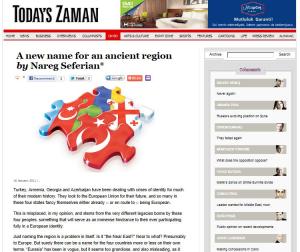
Turkey, Armenia, Georgia and Azerbaijan have been dealing with crises of identity for much of their modern history. They look to the European Union for their future, and so many in these four states fancy themselves either already — or en route to — being European.

This is misplaced, in my opinion, and stems from the very different legacies borne by these four peoples, something that will serve as an immense hindrance to their ever participating fully in a European identity.

Continue reading

Genocide Politics: Players, Moves and An Endgame

Genocide Politics: Players, Moves and An Endgame

The issue of the events involving Armenians and Turks at the end of the nineteenth and the beginning of the twentieth century has gained political currency over the past few decades. It involves a number of players: the Republic of Turkey, the organized Armenian Diaspora, the Republic of Armenia, the Armenians of Turkey, the Republic of Azerbaijan, and the nascent émigré groups of Turks and Azerbaijanis in the West. Whereas the Armenian parties must consolidate their efforts and present a united front, the greater onus lies on Turkey as the biggest and most significant player to achieve a lasting resolution.

read the rest