The Recognition of Freedom: Nagorno Karabakh’s case

The Recognition of Freedom: Nagorno Karabakh’s case

This year marks the twentieth anniversary of the collapse of the Soviet Union and the independence of a number of countries that used to form part of the USSR. What was perhaps one of the most unexpected events of the twentieth century resulted in the statehood of fifteen republics – fifteen states recognized by the international community, by the world at large, along with four countries that yet often go by the moniker of being stuck in “frozen conflicts”.

read the rest

What Makes a Diaspora?

What Makes a Diaspora?

I am a member of a mailing list and Facebook group that shares news articles and other interesting bits of information pertaining to the Armenian world. One of the topics of discussion that took place recently was the status of the Armenians of Constantinople, the Bolsahays. A recent article in the Armenian Weekly also took on this question, as did the discussions that stemmed from the visit of Armenian Minister of Diaspora Hranush Hakobyan to Istanbul not too long ago.

read the rest

Qu’est-ce qui fait une diaspora ?

Je suis l’un des membres d’une liste d’envoi et d’un groupe Facebook qui partage des articles de journaux et autres éléments d’information intéressant le monde arménien. L’un des sujets de discussion abordé récemment était le statut des Arméniens de Constantinople, les Bolsahays. Un récent article d’Armenian Weekly, en commentaire à la visite de la ministre de la diaspora Hranush Hakobyan à Istanbul d’il y a peu de temps, traite également de cette question.

lire la suite

What makes a Diaspora?

I am a member of a mailing list and Facebook group that shares news articles and other interesting bits of information pertaining to the Armenian world. One of the topics of discussion that took place recently was the status of the Armenians of Constantinople, the Bolsahays. A recent article in the Armenian Weekly also took on this question, as did the discussions that stemmed from the visit of Armenian Minister of Diaspora Hranush Hakobyan to Istanbul not too long ago.

read the rest

Zimbabwe. Impressions and Observations. July-August 2011

Zimbabwe. Impressions and Observations. July-August 2011

I have had the great pleasure of finding myself in Zimbabwe for a couple of weeks, and consequently have ended up taking note of certain things. Many are general, some are specifically through the eyes of an Armenian from Delhi. Regardless, I felt that it might be of interest to share my observations and impressions.

To those Zimbabweans whom I know, I hope you will forgive me if it seems that I have taken a strange view of your country at times. It’s just that I did not know what to expect exactly, so some of the reactions I have had were raw. I read a memoir before arriving by an American journalist who was kicked out of the country in the early 2000s, and I also did some research on more recent political and social developments. But, of course, that’s different than coming to live in a house in Harare, while also playing the tourist.

The very first impression I got was the lovely, lovely weather, and the lush greenery. The air is so light here, that’s the only word I can use to describe it. It is winter this time of year, so it can get chilly in the mornings and at night, but even so, the freshness of the climate, the trees and flowers are all very delightful indeed, even if it does get dark sooner than I would like (the country is not all that far from the Equator). Continue reading

Տէլի Ճան՝ Դիլիջան | Deli Can – Dilijan

Տէլի Ճան՝ Դիլիջան | Deli Can – Dilijan

Ընկերոջս հետ որոշուեց գնալ Բերդ քաղաք՝ մեծամասնաբար իմ քմահաճութիւնից ելնելով, քան զի երբէք այդտեղ չէի եղել ու ուզում էի պնդել որ «ամէն տեղ եղել եմ Հայաստանում»: Մի քիչ դժուար է, ի հարկէ, նման յանդուգն յայտարարութիւն անել, սակայն՝ Բերդ գնալուց յետոյ, այդ յաւակնութեամբ հանդէս եմ գալիս:

Յամէնայն դէպս, շատ հաճելի օր անցաւ մեզ: Սեւանի ճանապարհը բռնեցինք, Դիլիջանով անցանք, գնացինք Իջեւան ու շարունակեցինք դէպի Ադրբեջանական սահմանը, որտեղից ճամբան շեղւում է դէպի Բերդ: Իրականում ես շատ դրական տպաւորութիւն ստացայ այդ ճանապարհի մաքրութեամբ ու նաեւ ընդհանրապէս Բերդ քաղաքից: Շատ աւելի խեղճ ու տխուր տեղ էի սպասում, բայց արի ու տես որ բաւականին աշխոյժ քաղաք է: Իրենց գլխաւոր փողոցում լիքը մարդ կար, առուտուր, եւ այլն:

Վերադարձի ճանապարհին, նկատեցի որ Դիլիջանում խորհրդային մի ֆիլմի յուշարձան կար, որ ուզեցի նկարել: Ընկերս դարձեալ քմահաճութիւնս հանդուրժեց՝ նաեւ դուրս հանելով իր սիրուն, արհեստավարժ խցիկը: Ես ելայ, մի քանի պատկեր քաշեցի, ու վերադառնում էի մեքենայ, երբ յանկարծ ետեւից մէկ, երկու, երեք ոստիկան յայտնուեցին, կանչում էին մեզ: Եա՛: Արդեօք ի՞նչ էին ուզում, ի՞նչ սխալ եմ գործել, ի՞նչ կարգի կաշառք էին պահանջելու…

Այդ ամէնը մտքովս էին անցնում, երբ ոստիկաններից մէկը նկարուելու ցանկութիւնը ներկայացրեց: «Մեծ սիրով, խնդրեմ»-ներով ետ գացինք յուշարձան, սրանք տեղաւորուեցին, ու մի քանի նկար առի: Բայց յետոյ իրենց ո՞նց էր հասնելու նկարը: Սրանք իրար անցան: E-mail-ից, համակարգիչից լուր չունէին: Սկսեցին զանգել սրան-նրան: Վերջապէս ինձ յայտնեցին իրենցից մէկի զարմիկի Skype-ի անունը: «Շատ բարի»-ներով էլ մենք շարունակեցինք մեր ճանապարհը դէպի Երեւան:

Սակայն Skype-ով նկար ուղարկել կը լինի՞ միթէ: Չգիտեմ: Ուստի այս գրութիւնը: Նկարը տակը կպցուած է: Եթէ ձեւ կայ որ Skype-ով նկար ուղարկուի առանց Skype-ի հաշիւ ունենալու, խնդրում եմ տեղեկացրէք ինձ: Եթէ ձեզանից մէկը ունի Skype-ի հաշիւ ու կ’անի այդ գործը, շատ շնորհակալ կը լինեն ես ու այդ երեք հոգին (զարմիկը ինչքան շնորհակալ կը լինի, չեմ կարող ասել): Եթէ կարդացող կայ ով Դիլիջանում է կամ այնտեղով է անցնելու եւ ում ծանօթ են կամ կարող են ծանօթ լինել այս երեք ոստիկանները, խնդրում եմ նեղութիւնը քաշէք մի ձեւ նկարը իրենց հասցնելու: Թող ուրախանան, դէմ չեմ:

Իսկ այսպիսի ու նման դէպքեր հետս միայն Հայաստանում են պատահում: :-)


My friend and I decided to visit the city of Bért, mostly due to my own caprices, as I had never been there before and wanted to claim that I have been everywhere in Armenia. It is a little difficult, of course, to make such a reckless declaration; however, upon visiting Bért, I am presenting myself in such an ambitious light.

Anyway, the day went very well. We took the road to Sevan, passed through Dilijan, on to Ichevan, and continuing further to the border with Azerbaijan, from where the road twists away towards Bért. I actually got a very positive impression by the maintenance of that road and generally from the city. I was expecting Bért to be much sadder a place, more poverty-stricken, but come to find out that it is quite an active city. Their main street was full of people, and shops, etc.

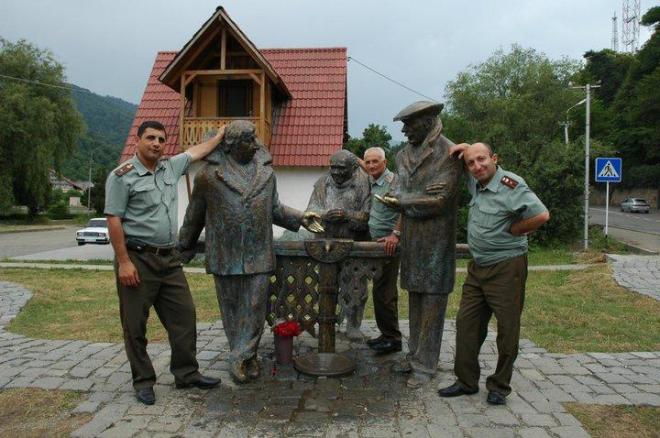
On the way back, I noticed a statue commemorating an old Soviet film in Dilijan, which I felt like photographing. My friend once more gave in to my capriciousness, even handing over his beautiful, professional camera. I got out, took a few pictures, and was on my way back to the car, when suddenly one, two, three policemen showed up, calling to us from behind. I wasn’t prepared for anything like that. What could they possibly want from us? Did we break any laws? Were they going to ask for some sort of a bribe…?

These thoughts were passing through my mind, when one of them expressed the desire to be photographed. “Well, of course,” I said, and off we were to the statue, where the three of them struck a pose, and I took a few pictures. But how were they to receive those pictures? The old Keystone Cops immediately came to my mind. These guys didn’t know what to do. They didn’t have much in the way of e-mail or computers. They started to make some phone calls. Finally, they told me the Skype name of the nephew of one of them. Very well. And off my friend and I were, back to Yerevan.

But is it possible to send pictures via Skype? I don’t know. Hence this note. The picture is pasted below. If there is a way to send pictures to a Skype account without having one one’s self, please let me know. If one of you has a Skype account and would make that effort, I and three other people will be very grateful (I cannot speak for the nephew). If anyone reading this is in Dilijan or will be passing through there and knows or may know these three police officers, kindly take the trouble to get this picture to them somehow. I’d like for them to be happy with this little bit of work.

Oh, and it goes without saying that these sorts of things happen to me only in Armenia. :-)
Yerevan, July 2011. Photo Essay II

Yerevan, July 2011. Photo Essay II

Yerevan is not a very large city, but there is no lack of eye-catching and thought-provoking things around here. Some of the pictures below reflect the general surreal and out of place elements of life in Armenia, while others offer reflections on aspects of politics and society. And then, of course, I find some things to be simply funny or cool.

«Գտիր քո G-կետը»…! Continue reading

Yerevan. Photo Essay. July 2011

Yerevan. Photo Essay. July 2011

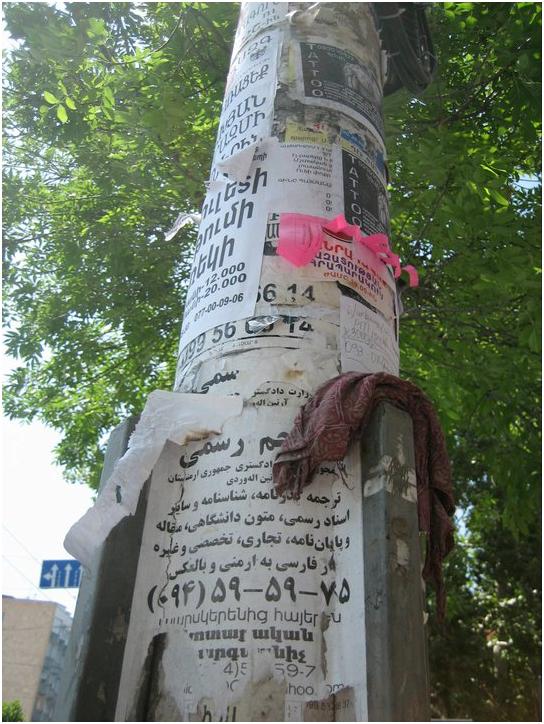
All right, so I am cheating with this first one. The truth is, I was seeking out that random flyer in Persian which I had seen the other day, but it had already been removed from where I had seen it. Suspicious. This particular flyer is advertising official translation services, which is less of an indication of a growing Farsi-speaking community in Yerevan. But still, it does imply something. The light pole on which the flyer is stuck is also advertising trips to the Georgian Black Sea coast, tatoo services, an opposition rally, and a random message by an extremist group, which, I suspect, removed that Persian flyer which I was seeking earlier. The reason for that suspicion will become clear. There is also a rag. Continue reading

Yerevan. Summer 2011. Some Observations

Yerevan. Summer 2011. Some Observations

Here are some old love-to-hate goodies and some new material on life and times in Yerevan, Armenia.

– Buffets! Pronounced “boof-fet” and not “buffay”, these are cafeteria-like eating joints. Maybe I had never come across them before for my own part, but they seem to be the latest thing. I have been to two, and there are doubtless more. They are generally inexpensive and the food is ready to be eaten on the spot. Convenient.

– Persian! There is a lot more Farsi to be seen and heard on the streets of Yerevan than ever before. I saw a random flyer stuck to a street light entirely in Persian, and those kiosks everywhere where one may pay utility bills or add money to one’s cellphone number are available in Farsi as well. Kheyli jaleb.

– The old roller-blading dude! Does anyone know his story? I don’t think I knew he existed until last summer. And here he is, randomly roller blading around, all over the place. I overheard him talking to a Far Eastern-looking person in English, and his language didn’t seem too broken – at least he had it in him to use certain choice words. Is he from around here? Bewildering.

– Chaghatsel es. Ha, eli, chaghatsel em. What is up with people in this country always mentioning the fact that one has gained weight? It isn’t really pleasant. I think it’s a misplaced sense of oushadroutiun dartsnel. I get it, you are concerned or at least interested in my well-being. But, please, don’t remind me that I look fat! Straitening. Ironically. :-)

– Square-cut asphalt. Who repairs roads as per quadrilaterals in the world? Who, I ask you? This has been a long-standing problem, as the folks who repair the roads demonstrate. Not what it’s cut out to be.

– The skvaznyak. I have never been able to understand the irrational fear that accompanies the people of Armenia when it comes to drafts. It is a fatal error, in the opinion of many, to find one’s self on the path of moving air. Somebody explained to me once that if one were wet or sweaty, then a draft might indeed cause a cold or something. But the skvaznyak! Would the skvaznyak be satisfied with a mere cold, I ask you? Check out https://www.facebook.com/skvazniak. And beware the skvaznyak.

– Cleansing aspersions. What is up with spreading water around for no reason? I know I have asked about this before, but it is still not khelki mod for me to accept that sprinkling water will either clean a place, or cool it down significantly, or make dust settle. This practice makes no sense to me. Whatever happened to mops and brooms?

Armenian Museum in Washington: Beyond Genocide
Armenian Museum in Washington: Beyond Genocide

WASHINGTON – I had the great pleasure and unique opportunity to visit the future site of the Armenian Genocide Museum and Memorial the other day. It is truly an amazing location and space whose value in its potential to reach out to the Armenian-American community, the US political establishment, and American society as such cannot be underestimated.

Of course the ongoing disputes and legal matters dogging the project have been disappointing and, frankly, embarrassing and shameful. More than that, however, even as this idea was made public a few years ago, I got the impression that the efforts may be better served to highlight Armenian history and culture generally, as opposed to a giant commemoration of the Armenian Genocide alone. Continue reading

Message Conveyance

Message Conveyance

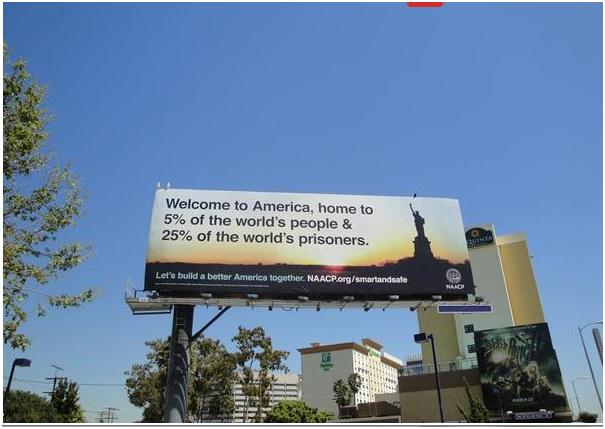
I really knew that I had returned to Washington when I saw a political ad in the airport moments after stepping off the plane. It is a characteristic element of life here, especially for someone who takes the metro as often as I do.

I usually don’t give them a second thought, as the causes and agendas are pretty clear, sometimes altogether blatant enough to be off-putting. This one below, however, was particularly thought-provoking. Not because there is something poignant or moving about it, but because it made me think over and over again on what it could possibly mean.

In reading just the tag line, my first reaction was, “So what? Is America being touted as a police state?”.

My second thought was, “Well, the figures may or may not be exactly accurate, but perhaps there is something to be said about rule of law, about the real enforcement of consequences to crimes”.

And then I continued to read: “Let’s build a better America together”, and I figured, “Oh, I see. The ad is calling upon people to avoid a life of crime, to get educations, work hard, live the American Dream, etc., etc.”.

And then I finally read the signature – the NAACP.

And I didn’t know what to think.

The National Association for the Advancement of Colored People. The name itself suggests that it is an advocacy organisation for the blacks for the most part. I am not familiar with their work; perhaps the moniker “coloured people” applies to a broader range. But I thought that this reputable organisation might be highlighting or somehow capitalising on the fact of a stereotypically prominent black presence in the country’s jails. So, again, I didn’t really know what to think.

Finally, just now, I visited the advertised URL – http://www.naacp.org/smartandsafe. It reads:

“Misplaced Priorities: A New Report From NAACP

On April 7th, the NAACP released a new report, Misplaced Priorities, that examines America’s escalating levels of prison spending and its impact on state budgets and our nation’s children.

Misplaced Priorities tracks the steady shift of state funds away from education and toward the criminal justice system. Researchers have found that over-incarceration most often impacts vulnerable and minority populations, and that it destabilizes communities.

The report is part of the “Smart and Safe Campaign,” and the NAACP is urging everyone to sign its petition to urge governors to adopt a set of recommendations that will help policymakers in all 50 states downsize prison populations and shift the savings to education budgets.

Below are profiles of the six cities studied in the report, as well as three profiled individuals.

Click here to download a PDF of the full report.

Click Here to Sign the Petition Now!”

And I finally get it.

I wish the message had come across on a first read, though.


(photo of ad courtesy http://www.soignorant.com/tag/5-of-worlds-population)

Մեր լեզվի ժառանգությունը

Մեր լեզվի ժառանգությունը

Լեզուները, ըստ էության, պայմանական համակարգեր են՝ ենթակա սովորելու, սովոր դառնալու: Մեր լեզուն՝ հայերենը, բացառություն չէ այս առումով: Սակայն մեր լեզուն ունի մեկ այլ հատկանիշ. չափազանց հարուստ է իր ժառանգությամբ:

Հայաստանի հասարակության կյանքում ներկա է եւ մատակարարվում է մեր հարուստ լեզվի միայն մի մասը: Արդյոք չարժի՞ ու արդյոք հնարավոր չէ՞, որ Հայաստանի հասարակությունը իմանա գրաբարի, արեւմտահայերենի եւ հայերենի ավանդական ուղղագրության մասին:

կարդալ մնացածը