Տավուշի խնդրով ՀՀ-ն ՄԱԿ-ի ԱԽ-ին կարող է, պետք է դիմի | Armenia Can and Should Appeal to UN Security Council Re: Azerbaijani Firing on Tavush

Տավուշի խնդրով ՀՀ-ն ՄԱԿ-ի ԱԽ-ին կարող է, պետք է դիմի

Տավուշի մարզի ուղղությամբ կրակելով՝ Ադրբեջանի Հանրապետությունը միջազգային իրավունքի կոպիտ խախտմամբ է հանդես գալիս, ու Հայաստանի Հանրապետությունը՝ որպես միջազգային իրավունքի սուբյեկտ, լիիրավ օժտված է ՄԱԿ-ի Անվտանգության խորհրդին դիմելու այս հարցով:

Միջազգային իրավունքի առանցքային կետը պետությունների միջեւ ուժի կիրառման կարգավորումն է: Երկրորդ աշխարհամարտի դաժան իրականությունից ելնելով, ՄԱԿ-ի Կանոնադրությամբ արգելվեց պետությունների ուժի կիրառումը մեկը մյուսի նկատմամբ:
կարդալ մնացածը

Armenia Can and Should Appeal to UN Security Council Re: Azerbaijani Firing on Tavush

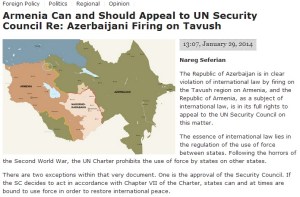
The Republic of Azerbaijan is in clear violation of international law by firing on the Tavush region on Armenia, and the Republic of Armenia, as a subject of international law, is in its full rights to appeal to the UN Security Council on this matter.

The essence of international law lies in the regulation of the use of force between states. Following the horrors of the Second World War, the UN Charter prohibits the use of force by states on other states.
read the rest

Taxist Blues: Public Transport in Yerevan

Taxist Blues: Public Transport in Yerevan

I hate the taxis in Yerevan. Oh, all right, that’s not quite accurate. I dislike taking taxis in Yerevan, despite all the advantages they have to offer. Really, the best way to explore and get to know any city is on foot. And walking around Yerevan can really be wonderful, especially as it is indeed such a walkable city. You can easily get from Point A to Point B in your own shoes, something that is very hard to experience in, say, Los Angeles, for example. Of all the places I’ve lived and visited in the world—not that my sample is too immense, but, with modesty, I imagine it is sufficient to pass the following judgment—Yerevan’s taxis are among the most inexpensive and accessible in the world. It is difficult not to catch one, barring extreme circumstances. And almost anywhere to almost anywhere in the city center almost always costs 600 drams, what is known as the “minimal” (pronounced “mee-nee-mahl”). That’s something like one and a half American dollars. Where, I ask you, is it possible to have a personal car take you from door to door for that amount? Not in too many places in the Western world, I’d wager.

But I still dislike using taxis around here. I feel uncomfortable with the knowledge that there are a whole bunch of strangers in town who know exactly where I live. Oh, yes, it has happened that I’ve had the same driver more than once, and he has known, without my telling him, exactly where I’m headed. That’s just my paranoid self, because probably none of these “taxists,” as they are called, are planning on burglarizing the place while I’m away. And, in this city, sooner or later (let’s be honest: sooner), everyone knows where everyone else lives. That was the case long before Facebook.

read the rest

Master’s Thesis: Armenian and Turkish Relations between 1991 and 2010: The Failure to Achieve a Breakthrough in the Aftermath of the Cold War

Abstract

After the collapse of the Soviet Union in 1991, the relations between the Armenians and the Turks entered a new phase with the establishment of an independent Republic of Armenia. The inter-state interactions that followed took place in a context that also included regional players, the international community, as well as the organised Armenian Diaspora. This thesis argues that the difficulty to come to a lasting regional peace can be explained by (1) the relative weakness on the part of the Armenian state vis-à-vis Turkey, as well as (2) the unstable domestic political situation in Turkey in the 1990s coupled with the ineffective foreign policy of the AKP government in power in Ankara since 2002. A few schools of international relations theory are employed to assess the relationship: realism, liberalism, institutionalism, geopolitics, and constructivism. Given the differences in power and interests of the two states, the resulting asymmetrical relations are best explained using a constructivist approach, which helps shape a concluding section on the national psychology that underlies the interaction between Armenians and Turks, including narratives of identity and how they inform policy. The thesis concludes that, as a complex issue, with the involvement of the United States, the international community, and even with the Nagorno-Karabakh conflict not too far removed, and also with neither the Republic of Armenia nor the Armenian Diaspora having enough clout to shift policy one way or another, Turkey remains the factor with the greatest potential to influence proceedings. It is domestic political considerations and the consequential unclear positions and self-contradictory actions on the part of Ankara that have gone the farthest to maintain the instability and anti-climaxes characteristic of the Armenia-Turkey story between 1991 and 2010. And therefore it will be changes within Turkey itself that will bear the greatest consequences for the future of Armenia-Turkey relations.

Download the full paper here: Master’s Thesis – Nareg Seferian – June 2013

The final frontiers: The various borders between Armenia and Turkey

The final frontiers: The various borders between Armenia and Turkey

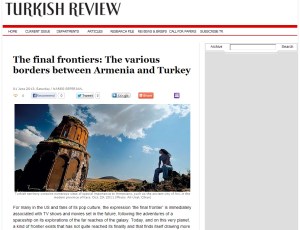
For many in the US and fans of its pop culture, the expression ‘the final frontier’ is immediately associated with TV shows and movies set in the future, following the adventures of a spaceship on its explorations of the far reaches of the galaxy. Today, and on this very planet, a kind of frontier exists that has not quite reached its finality and that finds itself drawing more than one line — the border between Armenia and Turkey.

That the Armenian and Turkish peoples have historical baggage between them is not news. One reason for that phenomenon is the fact that different pieces of territory that have over the course of millennia been referred to as “Armenia” are located in areas that make up present-day Iran, Azerbaijan and Georgia, even Syria and Iraq, apart from the Republic of Armenia itself. But, for the most part, the places that bear some Armenian heritage or other fall within Turkey today — and that heritage is almost entirely ignored, incessantly facing disrepair or purposeful destruction. The neglect becomes more evident when contrasted with the care given to the rich Ottoman heritage present in the country.

It is the past century in particular that has generated and sustained friction between Armenians and Turks. This is unsurprisingly accounted for by the historical legacy of the massacres and deportations of Armenians and other Christians of Asia Minor and Anatolia that took place in the late 19th and early 20th century, as the Ottoman Empire was drawing to a close and the Republic of Turkey was entering the arena of history. The qualification of that time period is disputed. Referred to as the Armenian genocide by most outside of Turkey and Azerbaijan, the characterization of “genocide” is disputed within the Turkish narrative. Continue reading

A View from Erbil

A View from Erbil

I recently had the opportunity to spend a few days in Erbil, the capital of the autonomous Kurdistan Regional Government (KRG), in the north of Iraq. The generosity of the KRG, in cooperation with the institution where I study, allowed for around 15 graduate-level students of international affairs to meet with regional officials and to explore some of the sights of that part of Iraqi Kurdistan.

As someone born and raised in India, Erbil seemed rather familiar to me. The layout of the city, the architecture, and the general flatness and climate were reminiscent of my native Delhi. But the people, their outlook, their culture, and certainly their food, spoke far more to my Armenian heritage, to say nothing of their dances. I was expecting as much. I just wish their shourchbar was faster-paced, but maybe they were toning it down for us foreigners. What I was not expecting was how very similar the countryside in Kurdistan would be to that of Armenia: the same rolling hills and valleys, more or less rocky, craggy, without all that much greenery. We saw a fair number of waterfalls as well. Plus, there was a brand-new téléphérique (I made sure to note how long it was, just to confirm that the record set up in Tatev remains unbeaten).

read the rest

Why the Armenian Genocide Matters for America

Why the Armenian Genocide Matters for America

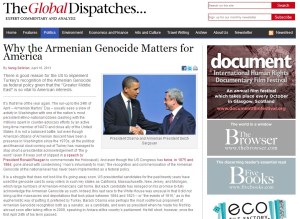
It’s that time of the year again. The run-up to the 24th of April – Armenian Martyrs’ Day – usually sees a slew of activity in Washington with one of the nation’s most persistent ethno-national lobbies clashing with the millions spent in counter-advocacy efforts by an active long-time member of NATO and close ally of the United States. It is not a balanced battle, but even though American citizens of Armenian descent have been a presence in Washington since the 1970s, all the political and financial clout coming out of Turkey has managed to stop short a presidential acknowledgement of “the g-word” (even if it was sort of slipped in a speech by President Ronald Reagan to commemorate the Holocaust). And even though the US Congress has twice, in 1975 and 1984, gone ahead with condemning “man’s inhumanity to man,” the recognition and commemoration of the Armenian Genocide at the national level has never been implemented as a federal policy.

read the rest

A Slice of Wiener Life, According to an Ausländer

A Slice of Wiener Life, According to an Ausländer

An honour system. For riding the metro? This was something new. How can you allow people to just wander onto a platform without bothering to check their tickets? And what’s with pushing buttons or yanking handles to open the wagon doors?

These were some of my very early impressions when I first found myself in Vienna, back in the autumn. But while I couldn’t believe the city would organise itself this way – it seemed rather naïve – on the other hand, I still haven’t taken a free ride on the U-Bahn myself. I keep saying that I have never seen a ticket-checker (and it’s true that I haven’t). But I also keep telling myself that I can’t risk getting Vienna upset at me. She’s too pretty.

read the rest

“My Soul is Young”: An Encounter with Dr. Gerhard Freilinger

“My Soul is Young”: An Encounter with Dr. Gerhard Freilinger
Gerhard Freilinger is not your average doctor. He has led a life that is immediately enviable, but at the same time, one that has called for a great deal of courage. Having lived through wars and being exposed with the effects of conflict – both tangible and intangible – Dr. Freilinger has seen every side of both guns and operating tables in a whirlwind that has spanned seven decades. Nareg Seferian caught up with the man at the Kurdistan Regional Government representation in Vienna.

“I was born in Upper Austria, in Linz [in 1927]. I became a soldier at the age of fifteen,” Dr. Freilinger recalls. But his military career during the Second World War did not last long, as he ended up as a prisoner of war in Yugoslavia at just 17 years old. “I was in very, very bad condition after two and a half years of prison in Yugoslavia. I came home in 1946, very heavily damaged. My soul was sick, my heart was sick.”

Interested in being a doctor at a young age, Dr. Freilinger recalls how, at 12, he told his parents, “I would like to see this hospital [in Linz], but not only the operating room.” This was surprising to a family of lawyers. It was during his recovery in Salzburg, which took more than a year, where he decided to take on medicine as a profession. He finished with his schooling and then studied medicine at Innsbruck, followed by a fellowship in the United States. Notably, he ended up working in the field of plastic and reconstructive surgery, helping people deal with the physical scars of war. Continue reading

Media In Armenia: Fast Connections, Slow Change

The media in Armenia suffers from the same legacy as in much of the post-communist world. Although the Internet has shaken things up in the past few years, media independence is still in the making.

Media In Armenia: Fast Connections, Slow Change

As with most of the post-Soviet world, the Armenian press did not have much to go on in terms of a real journalistic tradition after the USSR collapsed. There may have been a lot of publications in the Armenian world-within the country and in the organized diaspora outside of it-but as far as the new Republic of Armenia was concerned, its journalists and broadcasters were coming out of decades of censorship when independence came in 1991. That legacy can be felt to this day, as numerous media outlets clearly toe the line of national policy, while others go to the other extreme of spreading scandals. Very few have the courage, the resources, and the professionalism to carry out objective and meaningful reporting. Continue reading

Forty Years on: Gourgen Yanikian and Us

Forty Years on: Gourgen Yanikian and Us

On Jan. 27, 1973, two diplomats of the Turkish Republic traveled to Santa Barbara, Calif., to meet with an individual claiming to possess Ottoman artifacts he wished to donate to the country for posterity. Mehmet Baydar and Bahadir Demir played into the hands of Gourgen Yanikian, who had planned their murder as an act at once of vengeance, of retribution, and of justice.

It is hard, as an Armenian today, to write about Yanikian without judging his actions using those three less-than-consistent characteristics noted above. Vengeance is not exactly a Christian concept, is it? Justice is ordered by a legitimate, recognized authority. As for retribution, well, it is not for no reason that “Operation Nemesis” was the name of the immense undertaking following the Armenian Genocide to do away with those responsible for that horrific crime: Nemesis is the Greek deity of divine retribution.

read the rest