Towards More Meaningful Commemorations

Towards More Meaningful Commemorations

I have been in the United States for a few years now and have been actively following the goings-on in the Armenian community in this country, apart from events of the wider Armenian world, in the Republic and in the Diaspora. It is no secret that the cause for the Armenian Genocide serves as the major rallying point for our people, if not acting as the sole rallying point for our nation.

There is much that we justly demand from Turkey, and there is much for which we legitimately struggle for Artsakh, opposing Azerbaijan. I am probably not speaking solely for myself, however, when I say that I often get overwhelmed and disillusioned with a lot of our efforts, especially when I think about how much more there is to the Armenian people, to Armenia, to our history and culture, than just the social and political upheavals of the past century.

Of course they remain unresolved, and of course, we cannot lose sight of our goals. But it would be nice to direct resources towards other, less seemingly-immediate, less political or politicised aspects of society much more often than we do, both for the sake of connecting with the more tangible and more lasting facets of our identity, and also for presenting Armenia and the Armenians to the wider world in a more positive, constructive, identifiable light. Continue reading

Bachelor’s Essay: Legitimacy and Legality in the Declaration of Independence and Locke’s Second Treatise of Government

Introduction

The foundation of the United States of America is one of the most remarkable events in human history. States have been established and have perished since time immemorial, but there are a number of unique elements to the story of America. What allows a people to declare themselves sovereign? What justifies a people in asserting their right to revolt? Where would such a right come from in the first place?

This paper initially deals with the Declaration of Independence as it stands by itself. It next explores the philosophical influences on the thinking that went into it, drawing from John Locke’s Second Treatise of Government. The end of government per se is taken up very superficially, inasmuch as the issue is dealt with in the Declaration and the Second Treatise. Issues dealing with the maintenance of regimes also lie mostly beyond the scope of this paper. What is relevant and what is being particularly gleaned from the texts are insights into the right to revolt and secede – the right to proclaim sovereignty as portrayed in the Declaration and the philosophical basis which provides for such a right as discussed in the Second Treatise.

The final section of this paper offers concluding thoughts and speculations on political philosophy and various aspects of statehood, in particular the problem of legitimacy and legality as viewed from these two texts.

Download the full paper hereBachelor’s Essay – Nareg Seferian – February 2011.

What’s in an Armenian Name?

What’s in an Armenian Name?

I got an e-mail forward on Armenian surnames from a friend some time ago. The e-mail categorized them under four groups: surnames based on the name of an ancestor (such as Garabedian, Petrosian); surnames based on the name of a place (like Marashlian, Istanboulian); surnames based on a profession (Najarian, “carpenter,” Kouyoumjian. “jeweler”); and surnames indicating special characteristics (Geozebouyoukian, “big-eyed,” Mavisakhalian, “blue beard”). Of course, the above examples are derived more from Turkish and pertain to Armenians from the former Ottoman Empire to a greater degree, but nevertheless, they apply to Eastern Armenians as well, especially after a lot of movement across borders—voluntary or otherwise—which took place over the last century.

read the rest


What’s in an Armenian Name?

I got an e-mail forward on Armenian surnames from a friend some time ago. The e-mail categorized them under four groups: surnames based on the name of an ancestor (such as Garabedian, Petrosian); surnames based on the name of a place (like Marashlian, Istanboulian); surnames based on a profession (Najarian, “carpenter,” Kouyoumjian. “jeweler”); and surnames indicating special characteristics (Geozebouyoukian, “big-eyed,” Mavisakhalian, “blue beard”). Of course, the above examples are derived more from Turkish and pertain to Armenians from the former Ottoman Empire to a greater degree, but nevertheless, they apply to Eastern Armenians as well, especially after a lot of movement across borders—voluntary or otherwise—which took place over the last century.

read the rest

The problem of co-ordinating Armenian efforts

The problem of co-ordinating Armenian efforts

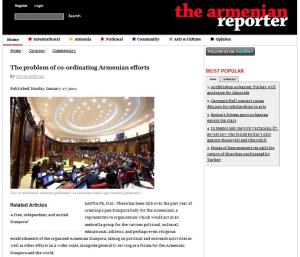
SANTA FE, N.M. – There has been talk over the past year of creating a pan-Diaspora body for the Armenians, a representative organisation which would act as an umbrella group for the various political, cultural, educational, athletic, and perhaps even religious establishments of the organised Armenian Diaspora, taking on political and outreach activities as well as other efforts on a wider scale, alongside generally serving as a forum for the Armenian Diaspora and the world. Continue reading

A new name for an ancient region

A new name for an ancient region

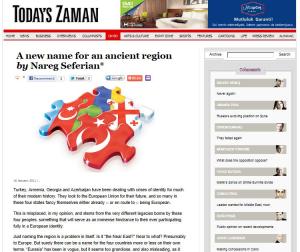
Turkey, Armenia, Georgia and Azerbaijan have been dealing with crises of identity for much of their modern history. They look to the European Union for their future, and so many in these four states fancy themselves either already — or en route to — being European.

This is misplaced, in my opinion, and stems from the very different legacies borne by these four peoples, something that will serve as an immense hindrance to their ever participating fully in a European identity.

Continue reading

Genocide Politics: Players, Moves and An Endgame

Genocide Politics: Players, Moves and An Endgame

The issue of the events involving Armenians and Turks at the end of the nineteenth and the beginning of the twentieth century has gained political currency over the past few decades. It involves a number of players: the Republic of Turkey, the organized Armenian Diaspora, the Republic of Armenia, the Armenians of Turkey, the Republic of Azerbaijan, and the nascent émigré groups of Turks and Azerbaijanis in the West. Whereas the Armenian parties must consolidate their efforts and present a united front, the greater onus lies on Turkey as the biggest and most significant player to achieve a lasting resolution.

read the rest

The Organisational Crisis of the Armenian Nation

The Organisational Crisis of the Armenian Nation

With the wonders of modern technology, I managed to follow the symposium held recently at the University of Southern California on the potential of a trans-national, democratic Armenian Diaspora body. The six-hour long event can be viewed at http://capture.usc.edu/mediasite/Viewer/?peid=555571291d934fcfb6650cb76ebe456d1d.

Let me confess at the outset not to have listened word-for-word to each presenter. I did go through the entire proceedings, however, and my reaction is a reflection of the same general concerns expressed early on this year, when Harout Sassounian published a piece proposing such a body, as did Policy Forum Armenia, a Washington, DC-based think-tank led by David Grigoryan. (Mr. Sassounian was himself a presenter at this symposium, while Mr. Grigoryan, following it online, managed to have a proxy express his thoughts at the event.)

In my opinion, there were two, somewhat minor, aspects of the symposium which were disappointing. For one, although most of the speakers were not American-born and were well-versed in the Armenian language, the presentations and most of the question and answer period, with some exceptions, took place in English. I realise that not all those present knew Armenian, and that it would have meant extra cost and trouble to have a simultaneous translator, but, all the same, I felt it lent an air of artificiality to many of the speakers, especially to those who had trouble with English as well. Simultaneous translations, by contrast, are available at most such public events in Armenia. I know that English is not current in the Republic, but I am not sure how current it is in the Diaspora, either. Continue reading

Յոյզ Տալուն Խոյս Տալը | Mysterious Emo-shuns

Յոյզ Տալուն Խոյս Տալը

Վերջերս մի քանի տարբերակով հանդիպել եմ Հայաստնում մի նոր երեւոյթի, որին մամուլը «էմօ» է անուանում: Դա Անգլիաբանութիւն է, եւ իրականում «իմօ» են հնչում՝ ստուգաբանուելով “emo”, կամ աւելի շուտ՝ “emotion” բառից («իմօշըն»՝ «յուզմունք», «զգացմունք»): Ինձ գլխաւորապէս երկու դրոյթ անհասկանալի են այդ ամէնի մէջ:

Նախ, ի՞նչ է սա «իմօ» կոչեցեալը: «Հասարակական շարժում» կարելի է անուանել, բայց դա մի քիչ փառաբանում է այդ երեւոյթին, որ պարզապէս ենթամշակոյթ է: Բոլոր հասարակութիւններ ու մշակոյթներ ունեն իրենց ենթամշակոյթները, ինչպէս օրինակ Հայաստանում կարելի է հանդիպել «ռաբիզ»-ներին, կամ՝ ժամանակին, «հիպի»-ներին: Ընդհանրապէս այդ ենթամշակոյթները իրենց մէջ ներառում են երաժշտութեան ու հագուկապի, արտայայտութեան ուրիշ յատուկ ձեւեր: «Իմօ»-ները՝ նոյնպէս:

Ներկայումս Ամերիկայում եմ սովորում, ուր այս ենթամշակոյթը իր ակունքներն ունի, ու ինձ թուաց որ այդ յօդուածների կեցուածքը «իմօ»-ութեան վերաբերեալ անարդարօրէն շատ բացասական էին: Ըստ դրանց, «իմօ» լինելը նշանակում էր լինել ոչ-ողջամիտ, ոչ-հայրենասէր, ու յանգում էր ինքնասպանութեան: Զարամացայ: Wikipedia ստուգեցի: Գիտեմ որ դա շատ խորը, գիտական աղբիւր չէ, բայց, յամէնայն դէպս, հաստատուեց այդ կարծիքը. «իմօ»-ն, փաստօրէն, իսկապէս կապ ունի անձնական ինքնավտանգման հետ:

Ամերիկացի ընկերներս, սակայն, այնքան էլ համաձայն չէին: Մէկն ասաց, որ «իմօ» լինելը մեծամասնաբար պատանութեան մէջ է գտնւում, եւ այն պարզապէս ընդհանուր պատանեկան բարդոյթների դրսեւորում է: Մէկ ուրիշն էլ ասաց որ դա առ հասարակ չի դիտարկւում որպէս վտանգ: Եթէ Avril Lavigne երգչուհիին երկրպագուներ են, ապա դրանից արդէն կարելի է եզրակացնել որ ինչ-որ վախենալիք քայլեր չեն ձեռնարկելու (այդ երգչուհին առանձնապէս աչքի չի ընկնում որեւէ ծայրայեղութեամբ): Բայց, օրինակ, այն տպաւորութիւնն ունեմ որ «հիպ-հոպ» շրջանակներում գտնւուող պատանիների մասին աւելի արժի մտահոգուել: Չնայած բացարձակապէս պայման չէ՝ բայց աւելի առիթ կայ նման իրավիճակում որ սկսեն թմրանիւթ օգտագործել, քրէական գործերում խառնուել, եւ այլն: Բայց ոչ՝ «իմօ»-ի պարագայում:

Իսկ դա երկրորդ՝ շատ աւելի նշանակալից, դրոյթն էր որ ինձ խանգարեց այդ Հայաստանեան յօդուածներից: Ինձ թուաց որ լրագրողները նախապաշարում ունէին ու տարածում էին այն հասարակութեան մէջ, որ «իմօ» լինելուն մէջ ինչ-որ սխալ բան կայ: Ես վստահ չեմ դրա մասին, ու վախենում եմ որ նեղմտութիւն ու փոքրոգութիւն է խարսխուելու Հայաստանի հասարակութեան մէջ այդ ենթամշակոյթի շուրջ, ինչին պարզապէս պէտք չունենք: Ի հարկէ, որեւէ ծայրայեղութիւն չպէտք է քաջալերուի, մանաւանդ եթէ դա պետութեան կամ ազգին հանդէպ վտանգ կարող է ներկայացնել: Բայց ի՞նչ խնդիր կայ եթէ որոշ պատանիներ ուզում են իւրայատուկ ձեւով իրենց ինքնաարտայայտութիւնը գտնել:

Աւելին, մի երգ է թողարկուել, որ կոչւում է «Ես էմո չեմ». երկու պատանի աղջիկ են կատարողները: Սա շատ խանգարեց ինձ: Ի՞նչ է նշանակում երբ մի սահմանում ժխտողական ձեւով է տրւում: Կարելի է ասել թէ մի բան «կայ», եւ այն ինչ «է»: Եթէ ասւում է թէ այդ բանը մի բան «չէ», ապա խօսակիցը երբեւէ չի իմանայ, թէ այն բանը ինչ «է» իրականում: Կ’իմանայ թէ այն՝ մէկ այլ բան «չէ», բայց դրա հետ մէկտեղ կան բազմիցս այլ բաներ: Յանկարծ ճանաչողութիւնը ոչ թէ ուսումնասիրութեամբ կամ հետախուզութեամբ է առաջ գալիս, այլ՝ մերժմամբ: Դա նուազագոյնը անողջամիտ է ու անբաւարար: Իսկ թիրախը «իմօ»-ն է, ինչ-որ անհասկանալի պատճառով:

Գուցէ մի քիչ վերացական ստացուեց, բայց իմաստն այն է, որ վախ ունեմ, թէ Հայաստանում սերմանւում է աւելի ու աւելի սահմանափակում հասարակութեան, մարդկանց մտայնութեան մէջ, որ միայն բացասական արդիւնքներ կարող է բերել: «Իմօ»-ներին հանդէպ աւելի առարկայական մօտեցումը՝ մանաւանդ գրաւոր մամուլի մէջ, կարող է աւելի հարստացնող ուղղութիւն տալ մեր հասարակութեանը:


Mysterious Emo-shuns

I have lately come across a few manifestations of a new phenomenon in Armenia, which the press is referring to as “émo”. This is an English word, pronounced “eemo”, derived from the “emo” of “emotions”. There are two main issues at stake, I find, in all this.

First of all, what is this “emo” thing, anyway? It might be called a “social movement”, but that would be glorifying something which is really nothing more than a sub-culture. All societies and cultures have their sub-cultures, such as the “rabiz” of Armenia, or even hippies, once upon a time. Such sub-cultures generally comprise special kinds of music and clothing, and other forms of expression. The same goes for the “emo”.

I am currently studying in the US, where this sub-culture finds its roots, and it occurred to me that the articles I read had an unjustly negative attitude towards the “emo”. They implied that being “emo” meant being unreasonable, unpatriotic, and that it lead to suicide. I was surprised. I looked up Wikipedia. I know that’s not a profound, academic source, but, anyway, those opinions were confirmed; the “emo”, it turns out, really is associated with self-harm.

My American friends, on the other hand, did not seem to agree. One said that being “emo” was a teenage thing, and that it’s an extension of general teenage angst. Someone else said that it isn’t really considered dangerous. After all, if you’re a fan of Avril Lavigne, then there probably isn’t much of a chance of anything dangerous in the works (she isn’t considered much of an instigator of anything extreme). But, for example, it occurs to me that adolescents in the hip-hop scene might end up getting involved in drugs or criminal acts. That is certainly not a necessity by any means, but the point is it may be wortwhile to keep an eye out on them. But not so much when it comes to the “emo” kids.

And that’s the second, much more significant, issue which bothered me about those Armenian articles. It seemed to me that the journalists were prejudiced and were spreading prejudice in Armenian society, that there is something inherently wrong in being “emo”. I am not so sure about that, and I fear that a certain close-mindedness is being set in Armenian society against this sub-culture, something which, simply put, we could do without. Of course, nothing extremist ought to be encouraged, especially if it’s the kind of extremism which could harm the state or the nation. But what’s wrong with having some adolescents find their self-expression in some unique way?

There’s more. A song has come out, called Yes émo chem (“I am not emo”), sung by two teenage girls. This really bothered me. What does it mean to define something in the negative? I can say that something “is”, and what it “is”. If it is being said that something “is not” something, then the interlocutor will never know what it “is”, really. He or she would know that it “is not” something else, but there are so many things that are, at the same time. Suddenly, cognition is arising not out of study or investigation, but out of rejection. This is, at the very least, unreasonable and insufficient. And the “emo” is the target, for some inexplicable reason.

Maybe that sounds a little abstract, but the point is that I fear that more and more limitations are being placed in Armenian society, in the way people think, which can only end up having bad consequences. A more objective approach to the “emo”, especially in the written press, could provide a more enriching direction for our society.
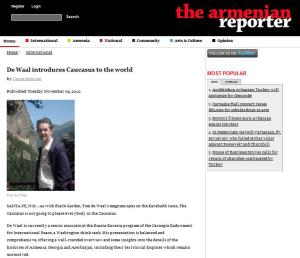
De Waal introduces Caucasus to the world | Book of the Week: ‘The Caucasus: An Introduction’ by Thomas de Waal
De Waal introduces Caucasus to the world

SANTA FE, N.M. – As with Black Garden, Tom de Waal’s magnum opus on the Karabakh issue, The Caucasus is not going to please everybody in the Caucasus.

De Waal is currently a senior associate at the Russia-Eurasia program of the Carnegie Endowment for International Peace, a Washington think tank. His presentation is balanced and comprehensive, offering a well-rounded overview and some insights into the details of the histories of Armenia, Georgia and Azerbaijan, including their territorial disputes which remain unresolved.

… … …

Book of the Week: ‘The Caucasus: An Introduction’ by Thomas de Waal

The Caucasus: An Introduction By Thomas de Waal. Oxford University Press, 2010

As with Black Garden, de Waal’s magnum opus on the Karabagh issue, The Caucasus is not going to please everybody.

Everybody in the Caucasus, that is.

read the rest

Armenia completing a tramway to surpass Sandia Peak as world’s longest

Armenia completing a tramway to surpass Sandia Peak as world’s longest

Move over, Sandia Peak — the world’s longest aerial tramway will soon be inaugurated in Armenia.

The Tatev Aerial Tramway forms part of the Tatev Revival Project, an endeavor aimed at restoring a medieval monastery, reviving its monastic and scholarly tradition and promoting tourism in Armenia’s southern region. It is being undertaken by The National Competitiveness Foundation of Armenia, a public-private partnership focusing on development in key sectors of the Armenian economy.

read the rest