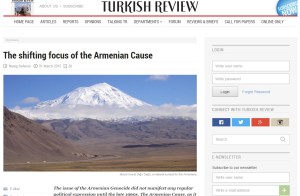
The shifting focus of the Armenian Cause
The shifting focus of the Armenian Cause

The issue of the Armenian Genocide did not manifest any regular political expression until the late 1960s. The Armenian Cause, as it has come to be known (Hai Tahd in Western Armenian; Hai Daht in Eastern Armenian), followed mass demonstrations in particular in 1965. That was the 50th year marking the arrest of notable Armenians in İstanbul on April 24, which heralded the massacres and deportations that followed Surprisingly, rallies took place in Yerevan in Soviet Armenia in 1965, running contrary to the anti-national policies of the USSR. It did not take long for communities within the organized Armenian diaspora to take on the mantle of genocide recognition as their primary raison d’être.1 Continue reading

Մեկ ազգ, քանի՞ մշակութային ոլորտ. հայկական բազմազանություն | One Nation, How Many Aspects of Culture? Armenian Diversity

Մեկ ազգ, քանի՞ մշակութային ոլորտ. հայկական բազմազանություն

Վերջերս «էլ-փոստային կռիվ» ունեցա մի անծանոթի հետ: Դրան «կռիվ» կոչելը չափազանցություն կլինի: Ավելի ճիշտ, բուռն քննարկում ունեցանք էլ-փոստեր ստանալով ու ուղարկելով:Իրար գտել էինք ընդհանուր ծանոթի միջոցով, ով խոհեմ գտնվեց ու խոսակցությունից զերծ մնաց:

Խնդիրը Արեւելահայերենի ու Արեւմտահայերենի շուրջ էր, մասնավորապես՝ եթե կան երկու առանձին Հայերեն լեզուներ, կամ եթե երկուսն էլ մի լեզվի մասնիկներն են: Ուրիշ տարբերակներ էլ կան, եւ նաեւ կարելի է, որ մարդ Արեւելահայերենին ու Արեւմտահայերենին միառժամանակ տարբեր բնորոշումներ տա: Նամակակիցս ինքնավստահորեն պնդում էր, որ կա միայն մեկ Հայոց Լեզու: Իմ դիրքորոշումն այն է, որ դրանք «քույր լեզուներ» են:

կարդալ մնացածը

One Nation, How Many Aspects of Culture? Armenian Diversity

Not too long ago, I had an “e-mail fight” with someone I don’t know. To call it a “fight” would be an exaggeration. Rather, we had a heated discussion back and forth via e-mail, having found each other through a mutual acquaintance who wisely slipped out of the conversation.

The issue was Eastern Armenian and Western Armenian – specifically, whether or not there are two separate Armenian languages, or whether they are both versions of one language. There are other possibilities, and it could be the case that one may characterise Eastern and Western Armenian in more than one way at the same time. My correspondent was very confident toinsist that there is only one Armenian language. My own position is to refer to the two as “sister languages”.

read the rest

Turkey’s Post-Post-Modern Coup and U.S. Foreign Policy

Turkey’s Post-Post-Modern Coup and U.S. Foreign Policy

Turkey is no stranger to changes in regime. The administration in Ankara has seen fundamental, abrupt shifts a number of times since the Republic of Turkey was founded in 1923. Following the death of Mustafa Kemal Ataturk in 1938, the military perceived itself as the guardian of the secular, republican order established by one of its own. With that in mind, the army stepped in on three separate occasions—in 1960, in 1971, and in 1980—to remove certain elements from power. Turkey returned to democracy each time.

read the rest

The Early Modern Social Contract as Imagined in Philadelphia and Madras: A Comparative Analysis of the Declaration of Independence and the US Constitution and the Vorogayt Parats-Nshavak

The Early Modern Social Contract as Imagined in Philadelphia and Madras: A Comparative Analysis of the Declaration of Independence and the US Constitution and the Vorogayt Parats-Nshavak

Paper presented at the 40th anniversary workshop of the Society for Armenian Studies held in Yerevan, Armenia, October 3-5, 2014

Introduction

The end of the 18th century was an innovative era in terms of political organisation. The revolutions in the United States and in France, as well as such less enduring movements as the Polish Constitution, were echoed halfway across the world in Madras, India (modern Chennai), where a small but wealthy and active community of Armenians expressed ambitious plans for a future Armenian state. Although those plans did not come to fruition, the Vorogayt Parats-Nshavak reflects the Western discourse inspired by Hobbes, Locke, Rousseau, Montesquieu, and others, refracted not just through an Armenian lens alone, but the specific perspective of Persian-Armenian merchants in India – a country quickly coming under the British yoke, alongside the presence of other European powers, such as the French and Portuguese. Meanwhile, after about a decade of an inefficient arrangement under the Articles of Confederation, the US Constitution tried to bring together “a more perfect Union” for its part, marrying the ideological drive of the Declaration of Independence to practical considerations of the day-to-day affairs of running a country.

This paper will examine the Vorogayt Parats-Nshavak in light of the Declaration of Independence and the US Constitution. It presumes familiarity on the part of the reader with the latter, American documents. It will first discuss the texts of the Vorogayt Parats and the Nshavak, including some analysis, followed by a comparison with the two founding documents of the United States in terms of the conceptions of statehood and in other details. Additionally, the problems of the authorship of the Vorogayt Parats-Nshavak will be taken up, as will its dating, and the designations of the documents in question.

Continue reading

Why Diplomacy and International Law Matter

Why Diplomacy and International Law Matter

The ongoing dispute over Crimea has led more than one person around me to welcome power politics and decisiveness in the use of force internationally, as opposed to negotiations. My own education leads me to believe that diplomacy and respect for international legal frameworks are not only highly valuable as such, they are the only means for stability and security in the long term. Here’s why.

Guns are important. They are very important, in fact. But no state would be willing to use them unless absolutely necessary. Troops are expensive, and every life counts, especially in those countries where there is accountability and free and fair elections: no-one is going to vote you back in power if you caused someone close to them to die. Ever since 1945, international use of force has been outlawed, except if approved by the UN Security Council, and in self-defence until the Security Council takes up the matter. Humanitarian intervention (the “Responsibility to Protect” or “R2P”) is a new category that has been slow to gain currency internationally, as opinions vary widely on recent cases, such as Libya. States as sovereign entities have thus agreed to ban the use of force by adopting the UN Charter. What is more, there is no provision to leave the UN in its charter. Almost all states signed on to this agreement after the Second World War, and new states ever since have been quick to join the UN. Statehood and UN membership are more or less synonymous today. Therefore, use of force has ceased to be a value in international affairs. War is no longer a glorious, patriotic undertaking, the way it was portrayed in centuries past.

read the rest

Reflections on ‘Depat’ Armenians

Reflections on ‘Depat’ Armenians

I am a member of the Facebook group that the Repat Armenia Foundation maintains. I am, in fact, a fan of that organization, which provides assistance to Armenians who wish to move to the Homeland, whether in terms of technical or legal information, employment, or some guidance on housing. It’s the sort of function that one would have wished the state to perform, that one might have expected the Ministry of the Diaspora to take on, via Armenian embassies or otherwise. To be fair, we are talking about a big deal, highly resource-heavy in realization, and also ideologically and philosophically heavy in its own right.

The issue of moving to Armenia has been in focus in recent years, even celebrated, both because of the alarming numbers of emigrants from Armenia, and also because of the influx of Armenian refugees from Syria. The latter group has indeed been given some support both by the state and otherwise, but a significant part has moved on to a third country, or has returned to Syria.

read the rest

Արեւմտահայերէն, Արեւելահայերէն՝ հնչիւններու, ձայներու տարբերութիւնները

Արեւմտահայերէն, Արեւելահայերէն՝ հնչիւններու, ձայներու տարբերութիւնները

Բարեւ, ու շնորհակալութիւն այս նիւթը դիտելու համար:

Կ’ուզէի ձեզի հետ կիսել Արեւմտհայերէնի եւ Արեւելահայերէնի միջեւ հինչիւնային գլխաւոր տարբերութիւնները:

Իրականութեան մէջ, այս երկու քոյր Հայերէնները իրարմէ բաւական կը տարբերին, ե՛ւ քերականութեան առումով, ե՛ւ բառապաշարով, եւ նաեւ ուղղագրական համակարգի փոփոխութեամբ, որ տեղի ունեցաւ Հայաստան Խորհրդային Միութեան ատեն, թէեւ Պարսկահայութիւնը կը շարունակէ Արեւելահայերէն գրել աւանդական ուղղագրութեամբ:

Յամենայն դէպս, ամենաանմիջական տարբերութիւնը որոնց հետ առընչութիւն կ’ունենան զանազան տեսակի հայախօսներ հնչիւններն են` ձայներուն արտասանութիւնը: Շատ ու շատ արեւմտահայախօսներ՝ այցելելով Հայաստան եւ դիտելով հայկական հեռատեսիլի յայտագիրներ, արդէն վարժուած կ’ըլլան այդ տարբերութիւններուն: Սակայն գուցէ ոմանք չեն ընկալած որ այդ տարբերութիւնները կանոնաւոր են. այսինքն ինչ-ինչ բառբարային կամ պատահական, խօսակցական երեւոյթներ չեն: Նշեմ նաեւ որ անշուշտ կան այլ լեզուաբանական նրբութիւններ, որոնց անդրադարձ չպիտի կատարուի: Այս հոլովակը՝ թեթեւակի մանրամասնելով, սովորական հայախօսին ուղղուած է:

Continue reading

Արեւելահայերեն, Արեւմտահայերեն՝ հնչյունների, ձայների տարբերությունները

Արեւելահայերեն, Արեւմտահայերեն՝ հնչյունների, ձայների տարբերությունները

Բարեւ Ձեզ, ու շնորհակալություն այս նյութը դիտելու համար:

Ուզում եմ Ձեզ հետ կիսել Արեւելահայերենի ու Արեւմտահայերենի հնչյունների՝ ձայների, գլխավոր տարբերությունները:

Արեւելահայերենն ու Արեւմտահայերենը իրարից տարբերվում են ե՛ւ քերականության տեսանկյունից, ե՛ւ բառապաշարով: Սակայն, ես, որ հիմա Արեւելահայերեն քերականությամբ ու բառապաշարով եմ հաղորդակցվում, լինում է որ հնչյուններս, առոգանությունս միշտ չի բռնում, որով հետեւ բնիկ Արեւմտահայախոս եմ: Եւ ահա դա է առաջնային տարբերությունը Արեւելահայերենի ու Արեւմտահայերենի միջեւ՝ հնչյունները, լեզվի ձայները: Մինչեւ այս տեսանյութը վերջանա, հույս ունեմ որ կհասկանաք թե ինչպես Արեւմտահայախոսների հնչյունները կանոնավոր ձեւով են տարբերվում Արեւելահայախոսներից. այսինքն, պատահական բառբարայնություններ չեն դրանք, այլ՝ կանոնավոր տարբերություններ:

Continue reading

Western Armenian & Eastern Armenian – Pronunciation Differences


Regular differences in pronunciation between Western Armenian and Eastern Armenian

Disclaimer, based on feedback: All major points and basic information are covered, but some exceptions and other nuances also exist.
_______

Hello, and thank you for watching this video on the regular differences in pronunciation between Western Armenian and Eastern Armenian.

The Armenian language has one, unique alphabet, as you can see.

But it has two formal, literary versions: Eastern Armenian and Western Armenian.

Although, for most educated Armenians, each is mutually-intelligible with the other, there certainly are differences in vocabulary (in words), grammar, and even in orthography, due to Soviet-era spelling reforms.

But the most immediate difference is in sounds — the pronunciation of letters.

Let’s take up those letters that make up those differences.

It boils down to these five sets of three letters. Continue reading