What Makes a Diaspora?

What Makes a Diaspora?

I am a member of a mailing list and Facebook group that shares news articles and other interesting bits of information pertaining to the Armenian world. One of the topics of discussion that took place recently was the status of the Armenians of Constantinople, the Bolsahays. A recent article in the Armenian Weekly also took on this question, as did the discussions that stemmed from the visit of Armenian Minister of Diaspora Hranush Hakobyan to Istanbul not too long ago.

read the rest

Qu’est-ce qui fait une diaspora ?

Je suis l’un des membres d’une liste d’envoi et d’un groupe Facebook qui partage des articles de journaux et autres éléments d’information intéressant le monde arménien. L’un des sujets de discussion abordé récemment était le statut des Arméniens de Constantinople, les Bolsahays. Un récent article d’Armenian Weekly, en commentaire à la visite de la ministre de la diaspora Hranush Hakobyan à Istanbul d’il y a peu de temps, traite également de cette question.

lire la suite

What makes a Diaspora?

I am a member of a mailing list and Facebook group that shares news articles and other interesting bits of information pertaining to the Armenian world. One of the topics of discussion that took place recently was the status of the Armenians of Constantinople, the Bolsahays. A recent article in the Armenian Weekly also took on this question, as did the discussions that stemmed from the visit of Armenian Minister of Diaspora Hranush Hakobyan to Istanbul not too long ago.

read the rest

Zimbabwe. Impressions and Observations. July-August 2011

Zimbabwe. Impressions and Observations. July-August 2011

I have had the great pleasure of finding myself in Zimbabwe for a couple of weeks, and consequently have ended up taking note of certain things. Many are general, some are specifically through the eyes of an Armenian from Delhi. Regardless, I felt that it might be of interest to share my observations and impressions.

To those Zimbabweans whom I know, I hope you will forgive me if it seems that I have taken a strange view of your country at times. It’s just that I did not know what to expect exactly, so some of the reactions I have had were raw. I read a memoir before arriving by an American journalist who was kicked out of the country in the early 2000s, and I also did some research on more recent political and social developments. But, of course, that’s different than coming to live in a house in Harare, while also playing the tourist.

The very first impression I got was the lovely, lovely weather, and the lush greenery. The air is so light here, that’s the only word I can use to describe it. It is winter this time of year, so it can get chilly in the mornings and at night, but even so, the freshness of the climate, the trees and flowers are all very delightful indeed, even if it does get dark sooner than I would like (the country is not all that far from the Equator). Continue reading

Տէլի Ճան՝ Դիլիջան | Deli Can – Dilijan

Տէլի Ճան՝ Դիլիջան | Deli Can – Dilijan

Ընկերոջս հետ որոշուեց գնալ Բերդ քաղաք՝ մեծամասնաբար իմ քմահաճութիւնից ելնելով, քան զի երբէք այդտեղ չէի եղել ու ուզում էի պնդել որ «ամէն տեղ եղել եմ Հայաստանում»: Մի քիչ դժուար է, ի հարկէ, նման յանդուգն յայտարարութիւն անել, սակայն՝ Բերդ գնալուց յետոյ, այդ յաւակնութեամբ հանդէս եմ գալիս:

Յամէնայն դէպս, շատ հաճելի օր անցաւ մեզ: Սեւանի ճանապարհը բռնեցինք, Դիլիջանով անցանք, գնացինք Իջեւան ու շարունակեցինք դէպի Ադրբեջանական սահմանը, որտեղից ճամբան շեղւում է դէպի Բերդ: Իրականում ես շատ դրական տպաւորութիւն ստացայ այդ ճանապարհի մաքրութեամբ ու նաեւ ընդհանրապէս Բերդ քաղաքից: Շատ աւելի խեղճ ու տխուր տեղ էի սպասում, բայց արի ու տես որ բաւականին աշխոյժ քաղաք է: Իրենց գլխաւոր փողոցում լիքը մարդ կար, առուտուր, եւ այլն:

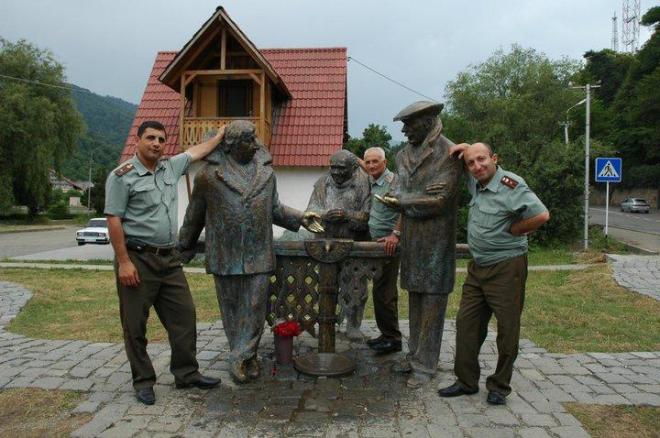
Վերադարձի ճանապարհին, նկատեցի որ Դիլիջանում խորհրդային մի ֆիլմի յուշարձան կար, որ ուզեցի նկարել: Ընկերս դարձեալ քմահաճութիւնս հանդուրժեց՝ նաեւ դուրս հանելով իր սիրուն, արհեստավարժ խցիկը: Ես ելայ, մի քանի պատկեր քաշեցի, ու վերադառնում էի մեքենայ, երբ յանկարծ ետեւից մէկ, երկու, երեք ոստիկան յայտնուեցին, կանչում էին մեզ: Եա՛: Արդեօք ի՞նչ էին ուզում, ի՞նչ սխալ եմ գործել, ի՞նչ կարգի կաշառք էին պահանջելու…

Այդ ամէնը մտքովս էին անցնում, երբ ոստիկաններից մէկը նկարուելու ցանկութիւնը ներկայացրեց: «Մեծ սիրով, խնդրեմ»-ներով ետ գացինք յուշարձան, սրանք տեղաւորուեցին, ու մի քանի նկար առի: Բայց յետոյ իրենց ո՞նց էր հասնելու նկարը: Սրանք իրար անցան: E-mail-ից, համակարգիչից լուր չունէին: Սկսեցին զանգել սրան-նրան: Վերջապէս ինձ յայտնեցին իրենցից մէկի զարմիկի Skype-ի անունը: «Շատ բարի»-ներով էլ մենք շարունակեցինք մեր ճանապարհը դէպի Երեւան:

Սակայն Skype-ով նկար ուղարկել կը լինի՞ միթէ: Չգիտեմ: Ուստի այս գրութիւնը: Նկարը տակը կպցուած է: Եթէ ձեւ կայ որ Skype-ով նկար ուղարկուի առանց Skype-ի հաշիւ ունենալու, խնդրում եմ տեղեկացրէք ինձ: Եթէ ձեզանից մէկը ունի Skype-ի հաշիւ ու կ’անի այդ գործը, շատ շնորհակալ կը լինեն ես ու այդ երեք հոգին (զարմիկը ինչքան շնորհակալ կը լինի, չեմ կարող ասել): Եթէ կարդացող կայ ով Դիլիջանում է կամ այնտեղով է անցնելու եւ ում ծանօթ են կամ կարող են ծանօթ լինել այս երեք ոստիկանները, խնդրում եմ նեղութիւնը քաշէք մի ձեւ նկարը իրենց հասցնելու: Թող ուրախանան, դէմ չեմ:

Իսկ այսպիսի ու նման դէպքեր հետս միայն Հայաստանում են պատահում: :-)


My friend and I decided to visit the city of Bért, mostly due to my own caprices, as I had never been there before and wanted to claim that I have been everywhere in Armenia. It is a little difficult, of course, to make such a reckless declaration; however, upon visiting Bért, I am presenting myself in such an ambitious light.

Anyway, the day went very well. We took the road to Sevan, passed through Dilijan, on to Ichevan, and continuing further to the border with Azerbaijan, from where the road twists away towards Bért. I actually got a very positive impression by the maintenance of that road and generally from the city. I was expecting Bért to be much sadder a place, more poverty-stricken, but come to find out that it is quite an active city. Their main street was full of people, and shops, etc.

On the way back, I noticed a statue commemorating an old Soviet film in Dilijan, which I felt like photographing. My friend once more gave in to my capriciousness, even handing over his beautiful, professional camera. I got out, took a few pictures, and was on my way back to the car, when suddenly one, two, three policemen showed up, calling to us from behind. I wasn’t prepared for anything like that. What could they possibly want from us? Did we break any laws? Were they going to ask for some sort of a bribe…?

These thoughts were passing through my mind, when one of them expressed the desire to be photographed. “Well, of course,” I said, and off we were to the statue, where the three of them struck a pose, and I took a few pictures. But how were they to receive those pictures? The old Keystone Cops immediately came to my mind. These guys didn’t know what to do. They didn’t have much in the way of e-mail or computers. They started to make some phone calls. Finally, they told me the Skype name of the nephew of one of them. Very well. And off my friend and I were, back to Yerevan.

But is it possible to send pictures via Skype? I don’t know. Hence this note. The picture is pasted below. If there is a way to send pictures to a Skype account without having one one’s self, please let me know. If one of you has a Skype account and would make that effort, I and three other people will be very grateful (I cannot speak for the nephew). If anyone reading this is in Dilijan or will be passing through there and knows or may know these three police officers, kindly take the trouble to get this picture to them somehow. I’d like for them to be happy with this little bit of work.

Oh, and it goes without saying that these sorts of things happen to me only in Armenia. :-)

Yerevan. Summer 2011. Some Observations

Yerevan. Summer 2011. Some Observations

Here are some old love-to-hate goodies and some new material on life and times in Yerevan, Armenia.

– Buffets! Pronounced “boof-fet” and not “buffay”, these are cafeteria-like eating joints. Maybe I had never come across them before for my own part, but they seem to be the latest thing. I have been to two, and there are doubtless more. They are generally inexpensive and the food is ready to be eaten on the spot. Convenient.

– Persian! There is a lot more Farsi to be seen and heard on the streets of Yerevan than ever before. I saw a random flyer stuck to a street light entirely in Persian, and those kiosks everywhere where one may pay utility bills or add money to one’s cellphone number are available in Farsi as well. Kheyli jaleb.

– The old roller-blading dude! Does anyone know his story? I don’t think I knew he existed until last summer. And here he is, randomly roller blading around, all over the place. I overheard him talking to a Far Eastern-looking person in English, and his language didn’t seem too broken – at least he had it in him to use certain choice words. Is he from around here? Bewildering.

– Chaghatsel es. Ha, eli, chaghatsel em. What is up with people in this country always mentioning the fact that one has gained weight? It isn’t really pleasant. I think it’s a misplaced sense of oushadroutiun dartsnel. I get it, you are concerned or at least interested in my well-being. But, please, don’t remind me that I look fat! Straitening. Ironically. :-)

– Square-cut asphalt. Who repairs roads as per quadrilaterals in the world? Who, I ask you? This has been a long-standing problem, as the folks who repair the roads demonstrate. Not what it’s cut out to be.

– The skvaznyak. I have never been able to understand the irrational fear that accompanies the people of Armenia when it comes to drafts. It is a fatal error, in the opinion of many, to find one’s self on the path of moving air. Somebody explained to me once that if one were wet or sweaty, then a draft might indeed cause a cold or something. But the skvaznyak! Would the skvaznyak be satisfied with a mere cold, I ask you? Check out https://www.facebook.com/skvazniak. And beware the skvaznyak.

– Cleansing aspersions. What is up with spreading water around for no reason? I know I have asked about this before, but it is still not khelki mod for me to accept that sprinkling water will either clean a place, or cool it down significantly, or make dust settle. This practice makes no sense to me. Whatever happened to mops and brooms?

Message Conveyance

Message Conveyance

I really knew that I had returned to Washington when I saw a political ad in the airport moments after stepping off the plane. It is a characteristic element of life here, especially for someone who takes the metro as often as I do.

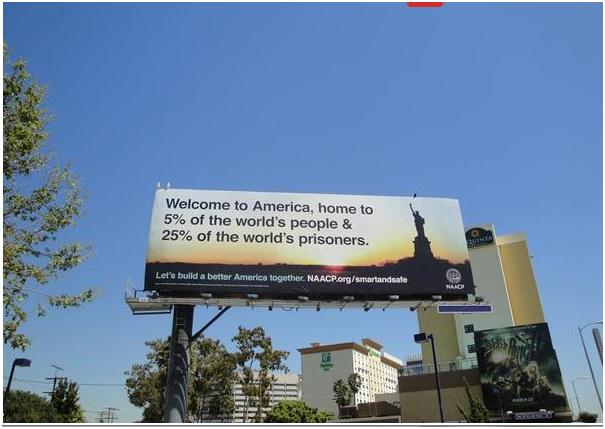
I usually don’t give them a second thought, as the causes and agendas are pretty clear, sometimes altogether blatant enough to be off-putting. This one below, however, was particularly thought-provoking. Not because there is something poignant or moving about it, but because it made me think over and over again on what it could possibly mean.

In reading just the tag line, my first reaction was, “So what? Is America being touted as a police state?”.

My second thought was, “Well, the figures may or may not be exactly accurate, but perhaps there is something to be said about rule of law, about the real enforcement of consequences to crimes”.

And then I continued to read: “Let’s build a better America together”, and I figured, “Oh, I see. The ad is calling upon people to avoid a life of crime, to get educations, work hard, live the American Dream, etc., etc.”.

And then I finally read the signature – the NAACP.

And I didn’t know what to think.

The National Association for the Advancement of Colored People. The name itself suggests that it is an advocacy organisation for the blacks for the most part. I am not familiar with their work; perhaps the moniker “coloured people” applies to a broader range. But I thought that this reputable organisation might be highlighting or somehow capitalising on the fact of a stereotypically prominent black presence in the country’s jails. So, again, I didn’t really know what to think.

Finally, just now, I visited the advertised URL – http://www.naacp.org/smartandsafe. It reads:

“Misplaced Priorities: A New Report From NAACP

On April 7th, the NAACP released a new report, Misplaced Priorities, that examines America’s escalating levels of prison spending and its impact on state budgets and our nation’s children.

Misplaced Priorities tracks the steady shift of state funds away from education and toward the criminal justice system. Researchers have found that over-incarceration most often impacts vulnerable and minority populations, and that it destabilizes communities.

The report is part of the “Smart and Safe Campaign,” and the NAACP is urging everyone to sign its petition to urge governors to adopt a set of recommendations that will help policymakers in all 50 states downsize prison populations and shift the savings to education budgets.

Below are profiles of the six cities studied in the report, as well as three profiled individuals.

Click here to download a PDF of the full report.

Click Here to Sign the Petition Now!”

And I finally get it.

I wish the message had come across on a first read, though.


(photo of ad courtesy http://www.soignorant.com/tag/5-of-worlds-population)

Մեր լեզվի ժառանգությունը

Մեր լեզվի ժառանգությունը

Լեզուները, ըստ էության, պայմանական համակարգեր են՝ ենթակա սովորելու, սովոր դառնալու: Մեր լեզուն՝ հայերենը, բացառություն չէ այս առումով: Սակայն մեր լեզուն ունի մեկ այլ հատկանիշ. չափազանց հարուստ է իր ժառանգությամբ:

Հայաստանի հասարակության կյանքում ներկա է եւ մատակարարվում է մեր հարուստ լեզվի միայն մի մասը: Արդյոք չարժի՞ ու արդյոք հնարավոր չէ՞, որ Հայաստանի հասարակությունը իմանա գրաբարի, արեւմտահայերենի եւ հայերենի ավանդական ուղղագրության մասին:

կարդալ մնացածը

Towards More Meaningful Commemorations

Towards More Meaningful Commemorations

I have been in the United States for a few years now and have been actively following the goings-on in the Armenian community in this country, apart from events of the wider Armenian world, in the Republic and in the Diaspora. It is no secret that the cause for the Armenian Genocide serves as the major rallying point for our people, if not acting as the sole rallying point for our nation.

There is much that we justly demand from Turkey, and there is much for which we legitimately struggle for Artsakh, opposing Azerbaijan. I am probably not speaking solely for myself, however, when I say that I often get overwhelmed and disillusioned with a lot of our efforts, especially when I think about how much more there is to the Armenian people, to Armenia, to our history and culture, than just the social and political upheavals of the past century.

Of course they remain unresolved, and of course, we cannot lose sight of our goals. But it would be nice to direct resources towards other, less seemingly-immediate, less political or politicised aspects of society much more often than we do, both for the sake of connecting with the more tangible and more lasting facets of our identity, and also for presenting Armenia and the Armenians to the wider world in a more positive, constructive, identifiable light. Continue reading

What’s in an Armenian Name?

What’s in an Armenian Name?

I got an e-mail forward on Armenian surnames from a friend some time ago. The e-mail categorized them under four groups: surnames based on the name of an ancestor (such as Garabedian, Petrosian); surnames based on the name of a place (like Marashlian, Istanboulian); surnames based on a profession (Najarian, “carpenter,” Kouyoumjian. “jeweler”); and surnames indicating special characteristics (Geozebouyoukian, “big-eyed,” Mavisakhalian, “blue beard”). Of course, the above examples are derived more from Turkish and pertain to Armenians from the former Ottoman Empire to a greater degree, but nevertheless, they apply to Eastern Armenians as well, especially after a lot of movement across borders—voluntary or otherwise—which took place over the last century.

read the rest


What’s in an Armenian Name?

I got an e-mail forward on Armenian surnames from a friend some time ago. The e-mail categorized them under four groups: surnames based on the name of an ancestor (such as Garabedian, Petrosian); surnames based on the name of a place (like Marashlian, Istanboulian); surnames based on a profession (Najarian, “carpenter,” Kouyoumjian. “jeweler”); and surnames indicating special characteristics (Geozebouyoukian, “big-eyed,” Mavisakhalian, “blue beard”). Of course, the above examples are derived more from Turkish and pertain to Armenians from the former Ottoman Empire to a greater degree, but nevertheless, they apply to Eastern Armenians as well, especially after a lot of movement across borders—voluntary or otherwise—which took place over the last century.

read the rest

The Organisational Crisis of the Armenian Nation

The Organisational Crisis of the Armenian Nation

With the wonders of modern technology, I managed to follow the symposium held recently at the University of Southern California on the potential of a trans-national, democratic Armenian Diaspora body. The six-hour long event can be viewed at http://capture.usc.edu/mediasite/Viewer/?peid=555571291d934fcfb6650cb76ebe456d1d.

Let me confess at the outset not to have listened word-for-word to each presenter. I did go through the entire proceedings, however, and my reaction is a reflection of the same general concerns expressed early on this year, when Harout Sassounian published a piece proposing such a body, as did Policy Forum Armenia, a Washington, DC-based think-tank led by David Grigoryan. (Mr. Sassounian was himself a presenter at this symposium, while Mr. Grigoryan, following it online, managed to have a proxy express his thoughts at the event.)

In my opinion, there were two, somewhat minor, aspects of the symposium which were disappointing. For one, although most of the speakers were not American-born and were well-versed in the Armenian language, the presentations and most of the question and answer period, with some exceptions, took place in English. I realise that not all those present knew Armenian, and that it would have meant extra cost and trouble to have a simultaneous translator, but, all the same, I felt it lent an air of artificiality to many of the speakers, especially to those who had trouble with English as well. Simultaneous translations, by contrast, are available at most such public events in Armenia. I know that English is not current in the Republic, but I am not sure how current it is in the Diaspora, either. Continue reading

Յոյզ Տալուն Խոյս Տալը | Mysterious Emo-shuns

Յոյզ Տալուն Խոյս Տալը

Վերջերս մի քանի տարբերակով հանդիպել եմ Հայաստնում մի նոր երեւոյթի, որին մամուլը «էմօ» է անուանում: Դա Անգլիաբանութիւն է, եւ իրականում «իմօ» են հնչում՝ ստուգաբանուելով “emo”, կամ աւելի շուտ՝ “emotion” բառից («իմօշըն»՝ «յուզմունք», «զգացմունք»): Ինձ գլխաւորապէս երկու դրոյթ անհասկանալի են այդ ամէնի մէջ:

Նախ, ի՞նչ է սա «իմօ» կոչեցեալը: «Հասարակական շարժում» կարելի է անուանել, բայց դա մի քիչ փառաբանում է այդ երեւոյթին, որ պարզապէս ենթամշակոյթ է: Բոլոր հասարակութիւններ ու մշակոյթներ ունեն իրենց ենթամշակոյթները, ինչպէս օրինակ Հայաստանում կարելի է հանդիպել «ռաբիզ»-ներին, կամ՝ ժամանակին, «հիպի»-ներին: Ընդհանրապէս այդ ենթամշակոյթները իրենց մէջ ներառում են երաժշտութեան ու հագուկապի, արտայայտութեան ուրիշ յատուկ ձեւեր: «Իմօ»-ները՝ նոյնպէս:

Ներկայումս Ամերիկայում եմ սովորում, ուր այս ենթամշակոյթը իր ակունքներն ունի, ու ինձ թուաց որ այդ յօդուածների կեցուածքը «իմօ»-ութեան վերաբերեալ անարդարօրէն շատ բացասական էին: Ըստ դրանց, «իմօ» լինելը նշանակում էր լինել ոչ-ողջամիտ, ոչ-հայրենասէր, ու յանգում էր ինքնասպանութեան: Զարամացայ: Wikipedia ստուգեցի: Գիտեմ որ դա շատ խորը, գիտական աղբիւր չէ, բայց, յամէնայն դէպս, հաստատուեց այդ կարծիքը. «իմօ»-ն, փաստօրէն, իսկապէս կապ ունի անձնական ինքնավտանգման հետ:

Ամերիկացի ընկերներս, սակայն, այնքան էլ համաձայն չէին: Մէկն ասաց, որ «իմօ» լինելը մեծամասնաբար պատանութեան մէջ է գտնւում, եւ այն պարզապէս ընդհանուր պատանեկան բարդոյթների դրսեւորում է: Մէկ ուրիշն էլ ասաց որ դա առ հասարակ չի դիտարկւում որպէս վտանգ: Եթէ Avril Lavigne երգչուհիին երկրպագուներ են, ապա դրանից արդէն կարելի է եզրակացնել որ ինչ-որ վախենալիք քայլեր չեն ձեռնարկելու (այդ երգչուհին առանձնապէս աչքի չի ընկնում որեւէ ծայրայեղութեամբ): Բայց, օրինակ, այն տպաւորութիւնն ունեմ որ «հիպ-հոպ» շրջանակներում գտնւուող պատանիների մասին աւելի արժի մտահոգուել: Չնայած բացարձակապէս պայման չէ՝ բայց աւելի առիթ կայ նման իրավիճակում որ սկսեն թմրանիւթ օգտագործել, քրէական գործերում խառնուել, եւ այլն: Բայց ոչ՝ «իմօ»-ի պարագայում:

Իսկ դա երկրորդ՝ շատ աւելի նշանակալից, դրոյթն էր որ ինձ խանգարեց այդ Հայաստանեան յօդուածներից: Ինձ թուաց որ լրագրողները նախապաշարում ունէին ու տարածում էին այն հասարակութեան մէջ, որ «իմօ» լինելուն մէջ ինչ-որ սխալ բան կայ: Ես վստահ չեմ դրա մասին, ու վախենում եմ որ նեղմտութիւն ու փոքրոգութիւն է խարսխուելու Հայաստանի հասարակութեան մէջ այդ ենթամշակոյթի շուրջ, ինչին պարզապէս պէտք չունենք: Ի հարկէ, որեւէ ծայրայեղութիւն չպէտք է քաջալերուի, մանաւանդ եթէ դա պետութեան կամ ազգին հանդէպ վտանգ կարող է ներկայացնել: Բայց ի՞նչ խնդիր կայ եթէ որոշ պատանիներ ուզում են իւրայատուկ ձեւով իրենց ինքնաարտայայտութիւնը գտնել:

Աւելին, մի երգ է թողարկուել, որ կոչւում է «Ես էմո չեմ». երկու պատանի աղջիկ են կատարողները: Սա շատ խանգարեց ինձ: Ի՞նչ է նշանակում երբ մի սահմանում ժխտողական ձեւով է տրւում: Կարելի է ասել թէ մի բան «կայ», եւ այն ինչ «է»: Եթէ ասւում է թէ այդ բանը մի բան «չէ», ապա խօսակիցը երբեւէ չի իմանայ, թէ այն բանը ինչ «է» իրականում: Կ’իմանայ թէ այն՝ մէկ այլ բան «չէ», բայց դրա հետ մէկտեղ կան բազմիցս այլ բաներ: Յանկարծ ճանաչողութիւնը ոչ թէ ուսումնասիրութեամբ կամ հետախուզութեամբ է առաջ գալիս, այլ՝ մերժմամբ: Դա նուազագոյնը անողջամիտ է ու անբաւարար: Իսկ թիրախը «իմօ»-ն է, ինչ-որ անհասկանալի պատճառով:

Գուցէ մի քիչ վերացական ստացուեց, բայց իմաստն այն է, որ վախ ունեմ, թէ Հայաստանում սերմանւում է աւելի ու աւելի սահմանափակում հասարակութեան, մարդկանց մտայնութեան մէջ, որ միայն բացասական արդիւնքներ կարող է բերել: «Իմօ»-ներին հանդէպ աւելի առարկայական մօտեցումը՝ մանաւանդ գրաւոր մամուլի մէջ, կարող է աւելի հարստացնող ուղղութիւն տալ մեր հասարակութեանը:


Mysterious Emo-shuns

I have lately come across a few manifestations of a new phenomenon in Armenia, which the press is referring to as “émo”. This is an English word, pronounced “eemo”, derived from the “emo” of “emotions”. There are two main issues at stake, I find, in all this.

First of all, what is this “emo” thing, anyway? It might be called a “social movement”, but that would be glorifying something which is really nothing more than a sub-culture. All societies and cultures have their sub-cultures, such as the “rabiz” of Armenia, or even hippies, once upon a time. Such sub-cultures generally comprise special kinds of music and clothing, and other forms of expression. The same goes for the “emo”.

I am currently studying in the US, where this sub-culture finds its roots, and it occurred to me that the articles I read had an unjustly negative attitude towards the “emo”. They implied that being “emo” meant being unreasonable, unpatriotic, and that it lead to suicide. I was surprised. I looked up Wikipedia. I know that’s not a profound, academic source, but, anyway, those opinions were confirmed; the “emo”, it turns out, really is associated with self-harm.

My American friends, on the other hand, did not seem to agree. One said that being “emo” was a teenage thing, and that it’s an extension of general teenage angst. Someone else said that it isn’t really considered dangerous. After all, if you’re a fan of Avril Lavigne, then there probably isn’t much of a chance of anything dangerous in the works (she isn’t considered much of an instigator of anything extreme). But, for example, it occurs to me that adolescents in the hip-hop scene might end up getting involved in drugs or criminal acts. That is certainly not a necessity by any means, but the point is it may be wortwhile to keep an eye out on them. But not so much when it comes to the “emo” kids.

And that’s the second, much more significant, issue which bothered me about those Armenian articles. It seemed to me that the journalists were prejudiced and were spreading prejudice in Armenian society, that there is something inherently wrong in being “emo”. I am not so sure about that, and I fear that a certain close-mindedness is being set in Armenian society against this sub-culture, something which, simply put, we could do without. Of course, nothing extremist ought to be encouraged, especially if it’s the kind of extremism which could harm the state or the nation. But what’s wrong with having some adolescents find their self-expression in some unique way?

There’s more. A song has come out, called Yes émo chem (“I am not emo”), sung by two teenage girls. This really bothered me. What does it mean to define something in the negative? I can say that something “is”, and what it “is”. If it is being said that something “is not” something, then the interlocutor will never know what it “is”, really. He or she would know that it “is not” something else, but there are so many things that are, at the same time. Suddenly, cognition is arising not out of study or investigation, but out of rejection. This is, at the very least, unreasonable and insufficient. And the “emo” is the target, for some inexplicable reason.

Maybe that sounds a little abstract, but the point is that I fear that more and more limitations are being placed in Armenian society, in the way people think, which can only end up having bad consequences. A more objective approach to the “emo”, especially in the written press, could provide a more enriching direction for our society.