Տավուշի խնդրով ՀՀ-ն ՄԱԿ-ի ԱԽ-ին կարող է, պետք է դիմի | Armenia Can and Should Appeal to UN Security Council Re: Azerbaijani Firing on Tavush

Տավուշի խնդրով ՀՀ-ն ՄԱԿ-ի ԱԽ-ին կարող է, պետք է դիմի

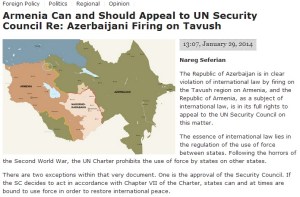
Տավուշի մարզի ուղղությամբ կրակելով՝ Ադրբեջանի Հանրապետությունը միջազգային իրավունքի կոպիտ խախտմամբ է հանդես գալիս, ու Հայաստանի Հանրապետությունը՝ որպես միջազգային իրավունքի սուբյեկտ, լիիրավ օժտված է ՄԱԿ-ի Անվտանգության խորհրդին դիմելու այս հարցով:

Միջազգային իրավունքի առանցքային կետը պետությունների միջեւ ուժի կիրառման կարգավորումն է: Երկրորդ աշխարհամարտի դաժան իրականությունից ելնելով, ՄԱԿ-ի Կանոնադրությամբ արգելվեց պետությունների ուժի կիրառումը մեկը մյուսի նկատմամբ:
կարդալ մնացածը

Armenia Can and Should Appeal to UN Security Council Re: Azerbaijani Firing on Tavush

The Republic of Azerbaijan is in clear violation of international law by firing on the Tavush region on Armenia, and the Republic of Armenia, as a subject of international law, is in its full rights to appeal to the UN Security Council on this matter.

The essence of international law lies in the regulation of the use of force between states. Following the horrors of the Second World War, the UN Charter prohibits the use of force by states on other states.
read the rest

The final frontiers: The various borders between Armenia and Turkey

The final frontiers: The various borders between Armenia and Turkey

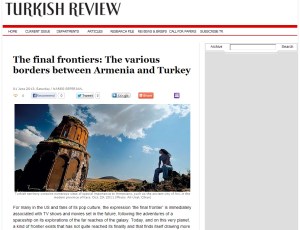
For many in the US and fans of its pop culture, the expression ‘the final frontier’ is immediately associated with TV shows and movies set in the future, following the adventures of a spaceship on its explorations of the far reaches of the galaxy. Today, and on this very planet, a kind of frontier exists that has not quite reached its finality and that finds itself drawing more than one line — the border between Armenia and Turkey.

That the Armenian and Turkish peoples have historical baggage between them is not news. One reason for that phenomenon is the fact that different pieces of territory that have over the course of millennia been referred to as “Armenia” are located in areas that make up present-day Iran, Azerbaijan and Georgia, even Syria and Iraq, apart from the Republic of Armenia itself. But, for the most part, the places that bear some Armenian heritage or other fall within Turkey today — and that heritage is almost entirely ignored, incessantly facing disrepair or purposeful destruction. The neglect becomes more evident when contrasted with the care given to the rich Ottoman heritage present in the country.

It is the past century in particular that has generated and sustained friction between Armenians and Turks. This is unsurprisingly accounted for by the historical legacy of the massacres and deportations of Armenians and other Christians of Asia Minor and Anatolia that took place in the late 19th and early 20th century, as the Ottoman Empire was drawing to a close and the Republic of Turkey was entering the arena of history. The qualification of that time period is disputed. Referred to as the Armenian genocide by most outside of Turkey and Azerbaijan, the characterization of “genocide” is disputed within the Turkish narrative. Continue reading

Why the Armenian Genocide Matters for America

Why the Armenian Genocide Matters for America

It’s that time of the year again. The run-up to the 24th of April – Armenian Martyrs’ Day – usually sees a slew of activity in Washington with one of the nation’s most persistent ethno-national lobbies clashing with the millions spent in counter-advocacy efforts by an active long-time member of NATO and close ally of the United States. It is not a balanced battle, but even though American citizens of Armenian descent have been a presence in Washington since the 1970s, all the political and financial clout coming out of Turkey has managed to stop short a presidential acknowledgement of “the g-word” (even if it was sort of slipped in a speech by President Ronald Reagan to commemorate the Holocaust). And even though the US Congress has twice, in 1975 and 1984, gone ahead with condemning “man’s inhumanity to man,” the recognition and commemoration of the Armenian Genocide at the national level has never been implemented as a federal policy.

read the rest

Song and dance moves to Armenia

Song and dance moves to Armenia
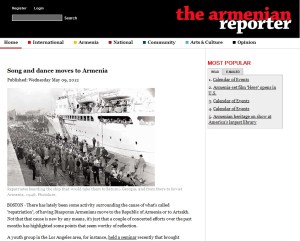
BOSTON – There has lately been some activity surrounding the cause of what’s called “repatriation”, of having Diasporan Armenians move to the Republic of Armenia or to Artsakh. Not that that cause is new by any means, it’s just that a couple of concerted efforts over the past months has highlighted some points that seem worthy of reflection.

A youth group in the Los Angeles area, for instance, held a seminar recently that brought together interested parties and organisations that do work in Armenia. Such activities are truly informative and helpful to the community out there. But the sort of effusive representation of life and times in Armenia that comes up and of “repatriation” can sometimes be a little over the top. Continue reading

Armenian Parliamentary Elections 2012: The Fletcher Connection

Armenian Parliamentary Elections 2012: The Fletcher Connection

Armenians go to the polls to elect their fifth National Assembly on Sunday, May 6. Since its independence in 1991 after the fall of the Soviet Union, Armenia has suffered from rampant corruption and bureaucratic ineptitude in addition to larger economic issues and a devastating 1988 earthquake. Moreover, a territorial dispute involving neighboring Azerbaijan and a troubled historical legacy with Turkey have sealed shut a majority of the landlocked country’s borders.

Suffice it to say, then, that the Republic of Armenia has more than its fair share of domestic and international issues. Unfortunately, national and local voting has proven to be among them. The credibility of most Armenian governments has been wanting due to lackluster elections. Most politicians likewise fail to inspire confidence in the people.

read the rest

Genocide Politics and People Power

Thoughts from Ahmet Altan’s Lecture at ALMA

On Saturday evening, Jan. 28, the Armenian Library and Museum of America (ALMA) in Watertown hosted Ahmet Altan, the editor of the liberal Turkish newspaper Taraf, well known in Armenian circles as it often publishes material pertinent to and resonating with our cause. The event was organized by the Friends of Hrant Dink, in the memory of that seminal figure gunned down five years ago. After remarks by Barbara Meguerian and Harry Parsekian, noted historian Taner Akcam of Clark University praised the speaker for his work and went so far as to refer to Taraf as something of a political party, since it serves as a powerful outlet for the voice of the opposition in Turkey.

read the rest

The Recognition of Freedom: Nagorno Karabakh’s case

The Recognition of Freedom: Nagorno Karabakh’s case

This year marks the twentieth anniversary of the collapse of the Soviet Union and the independence of a number of countries that used to form part of the USSR. What was perhaps one of the most unexpected events of the twentieth century resulted in the statehood of fifteen republics – fifteen states recognized by the international community, by the world at large, along with four countries that yet often go by the moniker of being stuck in “frozen conflicts”.

read the rest

What Makes a Diaspora?

What Makes a Diaspora?

I am a member of a mailing list and Facebook group that shares news articles and other interesting bits of information pertaining to the Armenian world. One of the topics of discussion that took place recently was the status of the Armenians of Constantinople, the Bolsahays. A recent article in the Armenian Weekly also took on this question, as did the discussions that stemmed from the visit of Armenian Minister of Diaspora Hranush Hakobyan to Istanbul not too long ago.

read the rest

Qu’est-ce qui fait une diaspora ?

Je suis l’un des membres d’une liste d’envoi et d’un groupe Facebook qui partage des articles de journaux et autres éléments d’information intéressant le monde arménien. L’un des sujets de discussion abordé récemment était le statut des Arméniens de Constantinople, les Bolsahays. Un récent article d’Armenian Weekly, en commentaire à la visite de la ministre de la diaspora Hranush Hakobyan à Istanbul d’il y a peu de temps, traite également de cette question.

lire la suite

What makes a Diaspora?

I am a member of a mailing list and Facebook group that shares news articles and other interesting bits of information pertaining to the Armenian world. One of the topics of discussion that took place recently was the status of the Armenians of Constantinople, the Bolsahays. A recent article in the Armenian Weekly also took on this question, as did the discussions that stemmed from the visit of Armenian Minister of Diaspora Hranush Hakobyan to Istanbul not too long ago.

read the rest

Armenian Museum in Washington: Beyond Genocide

Armenian Museum in Washington: Beyond Genocide

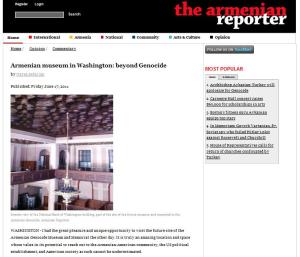
WASHINGTON – I had the great pleasure and unique opportunity to visit the future site of the Armenian Genocide Museum and Memorial the other day. It is truly an amazing location and space whose value in its potential to reach out to the Armenian-American community, the US political establishment, and American society as such cannot be underestimated.

Of course the ongoing disputes and legal matters dogging the project have been disappointing and, frankly, embarrassing and shameful. More than that, however, even as this idea was made public a few years ago, I got the impression that the efforts may be better served to highlight Armenian history and culture generally, as opposed to a giant commemoration of the Armenian Genocide alone. Continue reading

Towards More Meaningful Commemorations

Towards More Meaningful Commemorations

I have been in the United States for a few years now and have been actively following the goings-on in the Armenian community in this country, apart from events of the wider Armenian world, in the Republic and in the Diaspora. It is no secret that the cause for the Armenian Genocide serves as the major rallying point for our people, if not acting as the sole rallying point for our nation.

There is much that we justly demand from Turkey, and there is much for which we legitimately struggle for Artsakh, opposing Azerbaijan. I am probably not speaking solely for myself, however, when I say that I often get overwhelmed and disillusioned with a lot of our efforts, especially when I think about how much more there is to the Armenian people, to Armenia, to our history and culture, than just the social and political upheavals of the past century.

Of course they remain unresolved, and of course, we cannot lose sight of our goals. But it would be nice to direct resources towards other, less seemingly-immediate, less political or politicised aspects of society much more often than we do, both for the sake of connecting with the more tangible and more lasting facets of our identity, and also for presenting Armenia and the Armenians to the wider world in a more positive, constructive, identifiable light. Continue reading