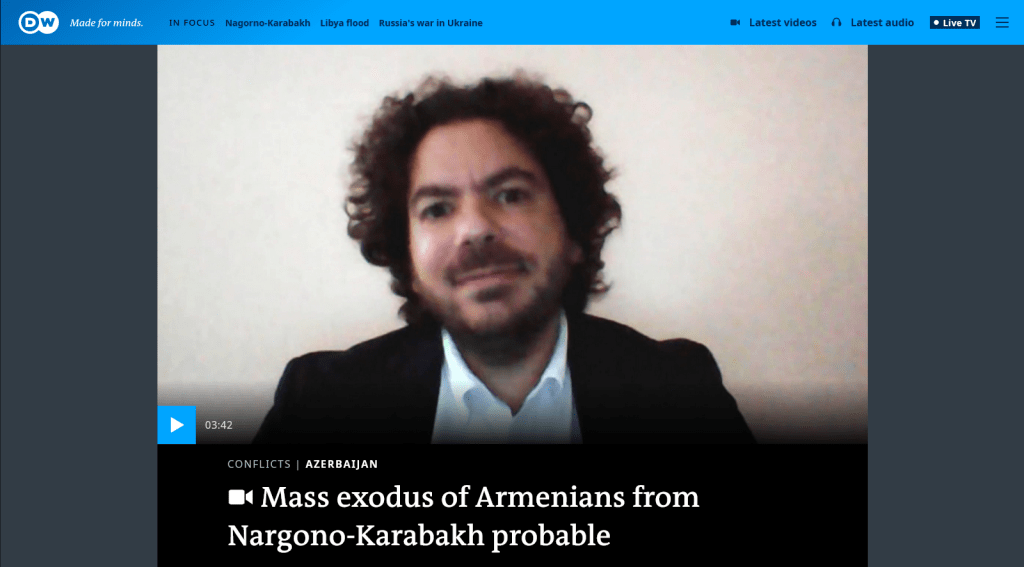
Azerbaijan’s use of force in Nagorno-Karabakh risks undermining key international norms, signaling to dictators that might makes right

Azerbaijan’s use of force in Nagorno-Karabakh risks undermining key international norms, signaling to dictators that might makes right

The United States’ top humanitarian aid representative, Samantha Power, was dispatched on a fact-finding mission on Sept. 26, 2023, to a registration point on the border with Armenia for those fleeing the Armenian-populated enclave of Nagorno-Karabakh. What she found was frustration: “Sanction Azerbaijan or go back to your country! We don’t care. Stop the lies!” someone shouted in a mid-press conference interruption.

Underscoring the gravity of the situation, Power’s visit coincided with a fuel depot explosion across the border in the disputed territory that killed at least 68 people, with 105 reported missing.

As an Armenian scholar of international affairs, I see the anger directed at Power reflecting two realities: the worsening plight of Armenians in Nagorno-Karabakh and the perceived inaction of the international community. Should the authoritarian regime in Azerbaijan be allowed to act with impunity in Nagorno-Karabakh, then I fear it will only further erode the international principle of nonuse of force.

read the rest

Renewed Violence in Nagorno-Karabakh: An Endgame or More Instability to Come?

Renewed Violence in Nagorno-Karabakh: An Endgame or More Instability to Come?

On September 19, 2023, Azerbaijani armed forces began large-scale shelling of targets in Nagorno-Karabakh, causing death, injury, and damage to property. The active hostilities did not come as a surprise. In preceding weeks, there were numerous reports of the build-up of Azerbaijani troops on the line of contact with Nagorno-Karabakh as well as with Armenia. The appearance of a new symbol on military hardware – an upside-down letter A – added to the speculations that plans were underway for a new round of attacks.

The massive bloodshed of the Second Karabakh War may have come to an end after forty-four days with the trilateral agreement brokered by Moscow and signed by the leaders of Russia, Azerbaijan, and Armenia on the night of November 9-10, 2020. However, acts of violence against what remains of Nagorno-Karabakh patrolled by Russian peacekeepers and against Armenia proper have been a regular phenomenon ever since the spring of 2021. There is a rather lengthy Wikipedia entry laying out major and minor incursions and attacks which have cost lives and have damaged infrastructure. Other practices, such as kidnappings, cattle rustling, and the blocking of highways by Azerbaijani forces have added to tensions. The most far-reaching such incidents were the fighting on November 16, 2021 and September 12-14, 2022, both on the effectively new borders between Armenia and Azerbaijan. In Nagorno-Karabakh, beyond other documented violations, the ongoing partial or whole blockade remains the issue of greatest concern, to the extent that its possible consequences have been characterized as “genocidal” by the founding chief prosecutor of the International Criminal Court (ICC), Luis Moreno Ocampo.

The government of Azerbaijan offers its own perspectives on the developments mentioned above. Inconsistent readings of the November 9-10, 2020 statement between Baku and Yerevan lie at the heart of the matter. In addition, selective understandings and applications of public international law by Baku exacerbate the circumstances. Finally, the role of the international community – in particular, cross-negotiations, or perhaps short-circuited negotiations, led in parallel by the Kremlin and the West – have largely proven ineffective.

read the rest

The Eagle in the South Caucasus: Armenia Tests Alternative Geopolitical Waters

The Eagle in the South Caucasus: Armenia Tests Alternative Geopolitical Waters

Walter Landgraf, Nareg Seferian

  • The US-Armenia “Eagle Partner” joint military exercise from September 11–20 may signal the beginning of a shift in the foreign policy direction of Armenia, historically a close ally to Russia.
  • Armenia has been growing frustrated at the lackluster response of the Collective Security Treaty Organization to its appeals for assistance in the deepening conflict with Azerbaijan.
  • However, it would be difficult to imagine a wholesale change in the geopolitical orientation in Yerevan, given the strong military, economic, energy, and cultural ties between Armenia and Russia.

On September 11, US and Armenian troops kicked off the “Eagle Partner” joint military exercise at the Zar and Armavir training sites near Yerevan. The exercise is set to run for ten days and is relatively low-key, involving only 175 Armenian troops and eighty-five US soldiers—that is about the size of a very small US Army company. According to the US Army Europe and Africa, the command responsible for overseeing Army operations there, the soldiers are from the 1st Brigade, 101st Airborne Division and the Kansas Army National Guard. The latter has had a bilateral partnership with Armenia under the National Guard Bureau’s State Partnership Program since 2003. The stated goal of the exercise is to enhance US-Armenian interoperability and prepare Armenian troops for possible future peacekeeping operations.

read the rest

Genocide resisters, long overlooked by history, step into the spotlight

Genocide resisters, long overlooked by history, step into the spotlight

The anniversary of the Armenian Genocide is marked every year on April 24. That was the date in 1915 when hundreds of Armenian community leaders were arrested by the government of the Ottoman Empire in the capital Constantinople, now known as Istanbul.

At the time, Armenians lived throughout what is modern-day Turkey. Modern scholars estimate up to 1.5 million Armenians were killed by the Turkish government, and around 800,000 to 1.2 million were deported during World War I. Most ended up in the Middle East, the Caucasus, Russia, Europe and the Americas. During that period, Greek, Assyrian and Yezidi communities were also massacred and forced to flee into exile.

read the rest

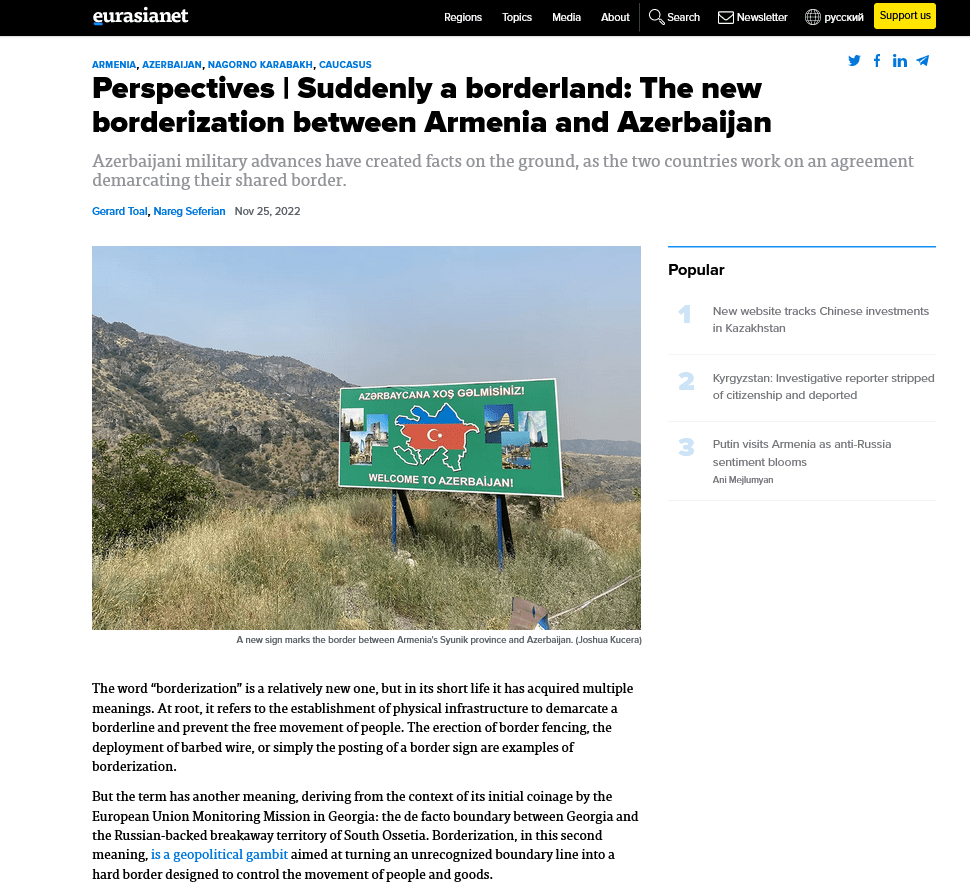
Suddenly a borderland: The new borderization between Armenia and Azerbaijan

Suddenly a borderland: The new borderization between Armenia and Azerbaijan

Gerard Toal, Nareg Seferian

The word “borderization” is a relatively new one, but in its short life it has acquired multiple meanings. At root, it refers to the establishment of physical infrastructure to demarcate a borderline and prevent the free movement of people. The erection of border fencing, the deployment of barbed wire, or simply the posting of a border sign are examples of borderization.

read the rest

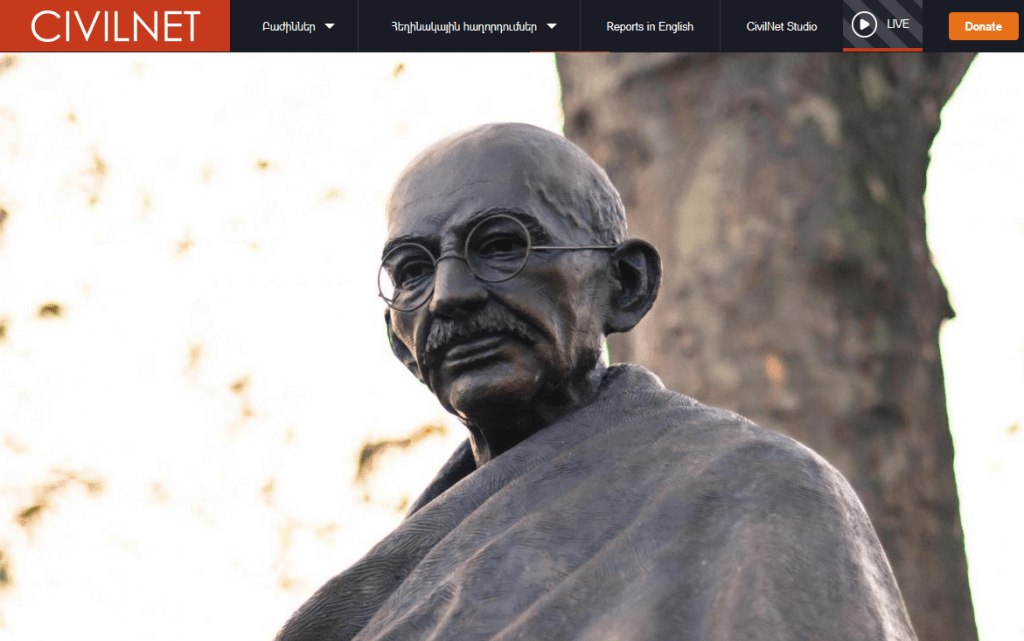
Երեւանում Գանդիի Արձանը՝ Ողջունելի Փաստ | A Statue of Mahatma Gandhi is Welcome in Yerevan

Երեւանում Գանդիի Արձանը՝ Ողջունելի Փաստ

Պատրիկ Ազատյանը Երեւանում տեղադրուելիք Մահաթմա Գանդիի արձանի գաղափարին դէմ իր յօդուածում բովանդակալից փաստարկներ է առաջ բերում: Գանդիի քաղաքական ժառանգութիւնն իսկապէս վիճայարոյց է: Ինչպէս Ազատյանն է նշում, Գանդիի առաջնորդած Հնդկական Ազգային Համագումարը 1920-ականների սկզբին Խալիֆայութեան Շարժմանն էր աջակցում՝ որպէս երկրի հսկայ մահմեդական բնակչութեան հետ համագործակցելու հարթակ: Այն օսմանեան փլուզուող կայսրութեան սուլթանի հանդէպ գաղութատիրական ուժերի կողմից տեղադրուած սահմանափակումներին ընդդէմ շարժում էր. սուլթանը խալիֆն էր՝ այսինքն, սուննի մահմեդականութեան առաջնորդը: (Երբ Մուսթաֆա Քէմալը անցաւ իշխանութեան եւ աշխարհիկ հանրապետութիւն հիմնեց Թուրքիայում, նա խալիֆայութեանը ամբողջովին վերջ դրեց, այնպէս որ այդ շարժումը մարուեց:) Հայ ազգայնականների համար Գանդիի կապը Խալիֆայութեան Շարժման հետ բացասական կէտ կարող է հանդիսանալ:

կարդալ մնացածը

A Statue of Mahatma Gandhi is Welcome in Yerevan

Patrick Azadian puts forward some meaningful arguments in his article against the plan for a statue of Mahatma Gandhi in Yerevan. Gandhi’s political legacy is indeed controversial. As Azadian outlined, the Indian National Congress led by Gandhi supported the Khilafat Movement in the early 1920s as a platform for co-operating with the large Muslim population in the country. They were protesting the limitations placed by the colonial powers on the Ottoman Sultan – who served as Caliph, or head of Sunni Islam – as the empire was collapsing. (Once Mustafa Kemal came to power and established a secular republic in Turkey, he abolished the caliphate outright, so that movement subsided.) For Armenian nationalists, Gandhi’s association with the Khilafat Movement could be a sore point.

read the rest

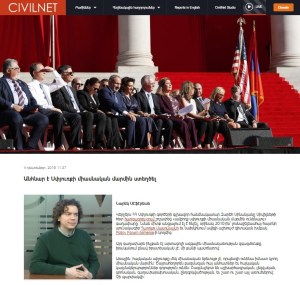
Անհնար է Սփյուռքի միասնական մարմին ստեղծել | A Unified Diasporan Representation is Unrealistic

Անհնար է Սփյուռքի միասնական մարմին ստեղծել

Վերջերս ՀՀ Սփյուռքի գործերի գլխավոր հանձնակատար Զարեհ Սինանյանը Սիվիլնեթի հետ հարցազրույցում շոշափեց «ամբողջ սփյուռքի միասնական մարմին ունենալու» գաղափարը: Նման միտք անցյալում էլ է հնչել, օրինակ 2010-ին` լոսնաջելեսահայ հայտնի սյունակագիր Հարութ Սասունյանի եւ նախկինում ավելի աշխույժ գիտական խմբակ Policy Forum Armenia-ի կողմից:

Այդ գաղափարն ինչքան էլ արտացոլի ազգային միասնականության զգացմունքը, իրականում բնավ իրատեսական չէ, մի քանի պատճառով:

կարդալ մնացածը

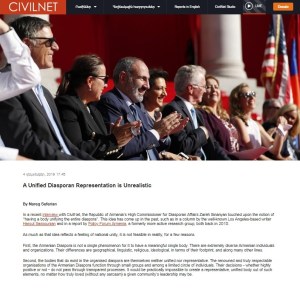
A Unified Diasporan Representation is Unrealistic

In a recent interview with CivilNet, the Republic of Armenia’s High Commissioner for Diasporan Affairs Zareh Sinanyan touched upon the notion of “having a body unifying the entire diaspora”. This idea has come up in the past, such as in a column by the well-known Los Angeles-based writer Harout Sassounian and in a report by Policy Forum Armenia, a formerly more active research group, both back in 2010.

As much as that idea reflects a feeling of national unity, it is not feasible in reality, for a few reasons.

read the rest

The US Congress’ recognition of the Armenian Genocide goes beyond trying to vex Turkey

92The US Congress’ recognition of the Armenian Genocide goes beyond trying to vex Turkey

Amidst all the ruckus over impeachment, Ukraine and whistleblowers at Congress, the House of Representatives took a landmark decision on Tuesday 29 October, to formally recognise the Armenian Genocide.

Various incarnations of the resolution, which passed overwhelmingly by 405-11, have appeared and been shelved on a number of occasions over the past few decades. Pushed forward by Armenian-American advocacy groups with the support of key representatives and senators, it was always countered by lobbying led by the Turkish government, often with the backing of the State Department or the defence establishment.

Although a majority of scholars have long agreed that the experience of the Armenians and other non-Muslims in the Ottoman Empire during the First World War amounts to genocide, the government of Turkey denies that designation, instead describing the massacres and deportations as general wartime catastrophes during which Muslim populations suffered and died as well.

read the rest